
Below in English
Κείμενο και φωτογραφίες: Γιώργος Κωνσταντίνου – Πάφος.
Halobia insignis – ένα πολύ παλιό θαλάσσιο απολίθωμα της Κύπρου
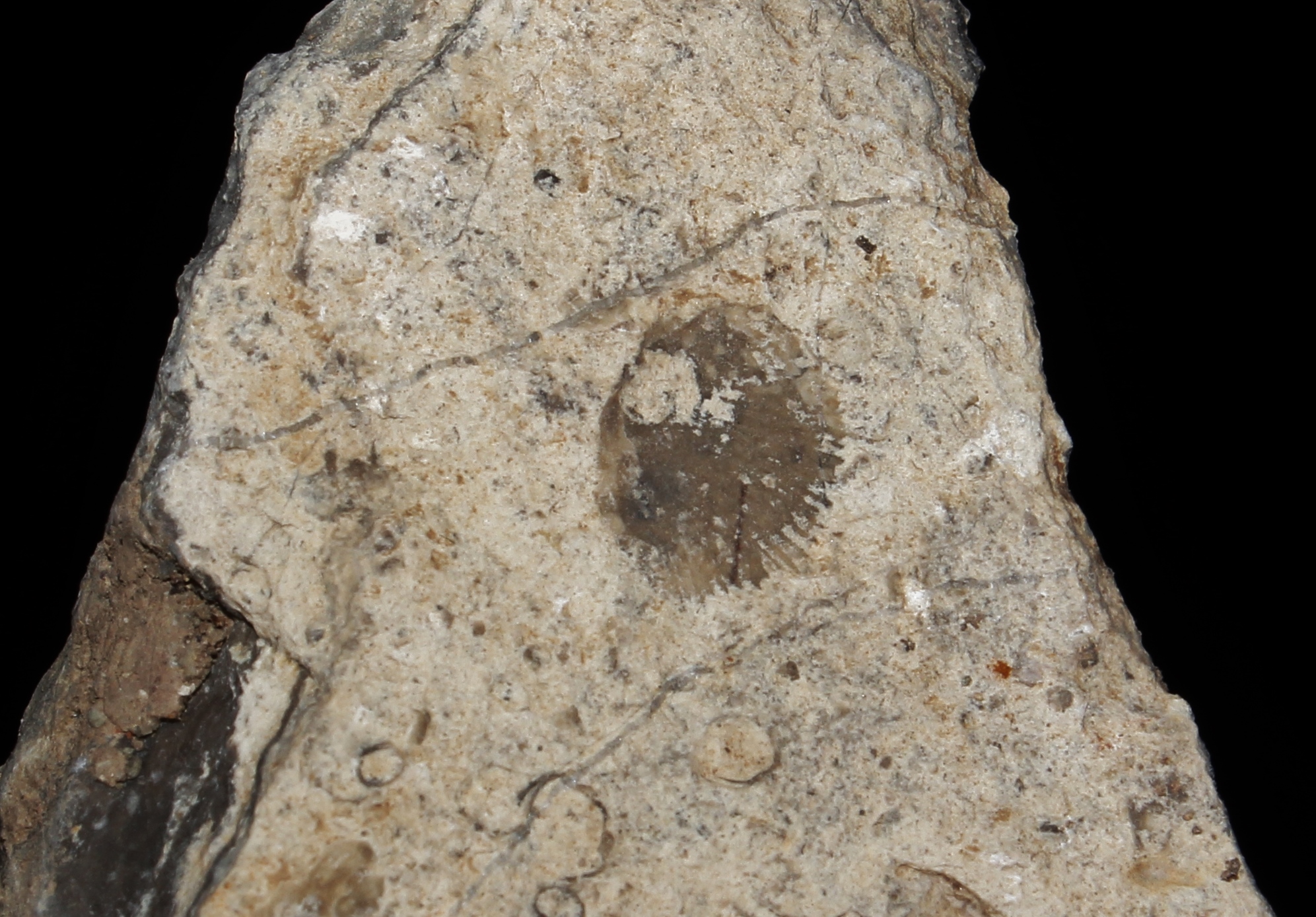
Το Halobia insignis είναι ένα εξαφανισμένο είδος θαλάσσιου δίθυρου μαλακίου που έζησε κατά το Τριαδικό. Απολιθώματά του έχουν καταγραφεί στα πολύ παλιά ιζηματογενή πετρώματα του Συμπλέγματος Μαμωνιών στη νοτιοδυτική Κύπρο.
Η παρουσία του Halobia στην Κύπρο έχει ιδιαίτερη γεωλογική σημασία, επειδή βοηθά στη χρονολόγηση ορισμένων από τα αρχαιότερα ιζηματογενή πετρώματα του νησιού.
Το Τμήμα Γεωλογικής Επισκόπησης της Κυπριακής Δημοκρατίας αναφέρει το Halobia insignis ανάμεσα στα χαρακτηριστικά μακροαπολιθώματα της Ομάδας Αγίου Φωτίου του Συμπλέγματος Μαμωνιών. Στην ίδια γεωλογική ενότητα απαντούν επίσης ναυτιλοειδή και αμμωνίτες.
Τι ήταν το Halobia
Το Halobia ήταν γένος θαλάσσιων δίθυρων μαλακίων. Όπως τα σημερινά μύδια, στρείδια και άλλα δίθυρα, το σώμα του προστατευόταν από δύο ασβεστιτικά θυρίδες που ενώνονταν κατά μήκος μιας άρθρωσης.
Το κέλυφος των ειδών του Halobia ήταν συνήθως σχετικά λεπτό, πεπλατυσμένο και συχνά έφερε χαρακτηριστική ακτινωτή γλυπτική.
Αυτή η λεπτή κατασκευή είχε ως αποτέλεσμα πολλά απολιθώματα να διατηρούνται συμπιεσμένα πάνω στις επιφάνειες των ιζηματογενών πετρωμάτων. Συχνά σώζεται περισσότερο το αποτύπωμα ή το εκμαγείο του κελύφους παρά το αρχικό κέλυφος.
Το γένος Halobia περιγράφηκε από τον Bronn τον 19ο αιώνα και αποτελεί χαρακτηριστικό στοιχείο πολλών θαλάσσιων αποθέσεων του Τριαδικού σε διάφορες περιοχές του κόσμου.
Το είδος Halobia insignis
Το Halobia insignis αποτελεί αναγνωρισμένο απολιθωμένο είδος του γένους Halobia και είναι γνωστό από αποθέσεις του Τριαδικού.
Η παλαιοντολογική βιβλιογραφία αποδίδει την αρχική περιγραφή του είδους στον Gemmellaro το 1882. Ιστορικά έχουν υπάρξει συζητήσεις σχετικά με τις σχέσεις του με άλλα συγγενικά είδη του Halobia, γεγονός που δείχνει ότι η ταξινομία αυτών των τριαδικών δίθυρων δεν είναι πάντοτε απλή.
Για την Κύπρο, όμως, το Τμήμα Γεωλογικής Επισκόπησης χρησιμοποιεί συγκεκριμένα την ονομασία Halobia insignis για τα απολιθώματα που έχουν αναγνωριστεί στο Σύμπλεγμα Μαμωνιών.
Η ηλικία των κυπριακών απολιθωμάτων
Ένα από τα σημαντικότερα στοιχεία των απολιθωμάτων Halobia της Κύπρου είναι η πολύ μεγάλη ηλικία τους.
Στον Σχηματισμό Μάρωνα του Συμπλέγματος Μαμωνιών έχουν βρεθεί απολιθώματα Halobia μέσα σε γκρίζους, λεπτόκοκκους πελαγικούς ασβεστόλιθους.
Το Τμήμα Γεωλογικής Επισκόπησης αναφέρει ότι η παρουσία αυτού του δίθυρου προσδιορίζει την ηλικία του σχηματισμού ως Άνω Τριαδική, περίπου 210 εκατομμυρίων ετών.
Επομένως, αυτά τα απολιθώματα προέρχονται από μια εποχή πολύ πριν από την εμφάνιση της σημερινής Κύπρου ως νησιού και πολύ πριν από τον σχηματισμό του σύγχρονου κυπριακού τοπίου.
Το Σύμπλεγμα Μαμωνιών
Το Σύμπλεγμα Μαμωνιών είναι μία από τις βασικές γεωτεκτονικές ενότητες της Κύπρου και εμφανίζεται κυρίως στη νοτιοδυτική πλευρά του νησιού.
Αποτελείται από ένα πολύπλοκο σύνολο ιζηματογενών και ηφαιστειακών πετρωμάτων διαφορετικής προέλευσης και ηλικίας, τα οποία υπέστησαν έντονη τεκτονική παραμόρφωση πριν ενσωματωθούν στη γεωλογική δομή της Κύπρου.
Στο Σύμπλεγμα περιλαμβάνεται η Ομάδα Αγίου Φωτίου, η οποία αποτελείται από διάφορους ιζηματογενείς σχηματισμούς και διατηρεί σημαντικά απολιθώματα.
Τα πετρώματα αυτά αποτελούν πολύτιμο αρχείο της γεωλογικής ιστορίας της περιοχής της Τηθύος πριν από τη δημιουργία της σημερινής Ανατολικής Μεσογείου.
Ο Σχηματισμός Μάρωνα
Ιδιαίτερη σημασία για το Halobia έχει ο Σχηματισμός Μάρωνα.
Σύμφωνα με το Τμήμα Γεωλογικής Επισκόπησης, ο σχηματισμός αυτός επικάθεται στον Σχηματισμό Βλάμπουρου και αποτελείται από περίπου 20 μέτρα γκρίζων, λεπτόκοκκων πελαγικών ασβεστολίθων.
Μέσα σε αυτούς τους ασβεστόλιθους έχει βρεθεί ποικιλία απολιθωμάτων, μεταξύ των οποίων και Halobia. Η παλαιοντολογική αυτή μαρτυρία είναι ένας από τους βασικούς λόγους για τους οποίους ο σχηματισμός χρονολογείται στο Άνω Τριαδικό.
Νεότερη γεωλογική βιβλιογραφία περιγράφει επίσης τον Σχηματισμό Μάρωνα ως πελαγική ανθρακική ακολουθία με άφθονα στοιχεία του Άνω Τριαδικού δίθυρου Halobia.
Ο Σχηματισμός Βλάμπουρου
Απολιθώματα του γένους Halobia έχουν επίσης καταγραφεί σε πετρώματα του Σχηματισμού Βλάμπουρου.
Επιστημονικές μελέτες των Άνω Τριαδικών αποθέσεων της νοτιοδυτικής Κύπρου έχουν αναφέρει Halobia sp. μέσα σε ψαμμίτες καθώς και σε ασβεστολιθικές παρεμβολές.
Οι ίδιοι σχηματισμοί περιέχουν επίσης μικροαπολιθώματα και κωνόδοντα, τα οποία έχουν χρησιμοποιηθεί για ακριβέστερη βιοστρωματογραφική χρονολόγηση των πετρωμάτων στο Καρνίο και Νόριο του Άνω Τριαδικού.
Ένα αρχαίο βαθύ θαλάσσιο περιβάλλον
Τα πετρώματα που περιέχουν Halobia δεν σχηματίστηκαν στη στεριά.
Οι λεπτόκοκκοι πελαγικοί ασβεστόλιθοι και άλλα ιζήματα της Ομάδας Αγίου Φωτίου αποτέθηκαν σε αρχαία θαλάσσια περιβάλλοντα της περιοχής της Τηθύος.
Η παρουσία πελαγικών οργανισμών, μαζί με τα χαρακτηριστικά των ιζημάτων, αποκαλύπτει έναν κόσμο εντελώς διαφορετικό από τη σημερινή Κύπρο.
Πριν από περίπου 210 εκατομμύρια χρόνια, κατά το Άνω Τριαδικό, η περιοχή που σήμερα αποτελεί μέρος της νοτιοδυτικής Κύπρου συνδεόταν με ένα ευρύτερο θαλάσσιο γεωλογικό περιβάλλον.
Τα πετρώματα μετακινήθηκαν, παραμορφώθηκαν και ενσωματώθηκαν αργότερα στη γεωλογική δομή του νησιού μέσα από πολύπλοκες τεκτονικές διαδικασίες.
Πώς ζούσαν τα Halobia
Η ακριβής οικολογία των χαλοβιδών έχει αποτελέσει αντικείμενο επιστημονικής συζήτησης.
Τα απολιθώματα της ομάδας εμφανίζονται συχνά σε μεγάλους αριθμούς σε βαθιά θαλάσσια ιζήματα, ακόμη και σε στρώματα που σχηματίστηκαν σε συνθήκες με σχετικά χαμηλή περιεκτικότητα οξυγόνου.
Μελέτες άλλων ειδών της ίδιας οικογένειας δείχνουν ότι ορισμένα Halobia μπορούσαν να είναι ευκαιριακοί οργανισμοί, ικανοί να δημιουργούν μεγάλους πληθυσμούς σε περιβάλλοντα που δεν ήταν ευνοϊκά για πολλές άλλες μορφές ζωής. Ωστόσο, η ακριβής οικολογία κάθε είδους και ιδιαίτερα του κυπριακού H. insignis δεν πρέπει να θεωρείται απολύτως γνωστή.
Βιοστρωματογραφική σημασία
Τα Halobia είναι πολύ σημαντικά για τους γεωλόγους και τους παλαιοντολόγους επειδή πολλά είδη τους είχαν σχετικά περιορισμένη χρονική εξάπλωση αλλά μεγάλη γεωγραφική κατανομή.
Όταν ένα χαρακτηριστικό είδος αναγνωρίζεται μέσα σε ένα στρώμα, μπορεί να συμβάλει στη χρονολόγηση του πετρώματος και στη συσχέτισή του με αντίστοιχες αποθέσεις άλλων περιοχών.
Αυτό ακριβώς συμβαίνει και στην Κύπρο: η παρουσία του Halobia αποτελεί σημαντικό παλαιοντολογικό στοιχείο για τον προσδιορισμό της Άνω Τριαδικής ηλικίας συγκεκριμένων πετρωμάτων του Συμπλέγματος Μαμωνιών.
Η σημασία των απολιθωμάτων Halobia της Κύπρου
Τα απολιθώματα αυτά είναι ιδιαίτερα σημαντικά επειδή αποτελούν άμεσες μαρτυρίες της θαλάσσιας ζωής που υπήρχε στην περιοχή πριν από περίπου 210 εκατομμύρια χρόνια.
Βοηθούν τους γεωλόγους να καθορίσουν την ηλικία των πετρωμάτων, να ανασυνθέσουν τα αρχαία θαλάσσια περιβάλλοντα και να κατανοήσουν την εξαιρετικά πολύπλοκη γεωλογική εξέλιξη της Κύπρου.
Το Halobia insignis, μαζί με άλλα απολιθώματα του Συμπλέγματος Μαμωνιών, αποτελεί επομένως ένα μικρό αλλά εξαιρετικά παλιό κομμάτι της φυσικής ιστορίας του νησιού.
Η τοποθεσία των φωτογραφιών
Οι φωτογραφίες της παρούσας ανάρτησης είναι του Γιώργου Κωνσταντίνου και προέρχονται από την επαρχία Πάφου.
Δεν δίνονται ακριβείς συντεταγμένες, επειδή στην αρχική καταγραφή αναφέρεται μόνο η Πάφος και όχι συγκεκριμένη, επιβεβαιωμένη θέση εύρεσης. Για να μην αποδοθεί λανθασμένο σημείο στα συγκεκριμένα απολιθώματα, δεν προστίθεται αυθαίρετη τοποθεσία ή Google Maps link.
Ταξινόμηση
Βασίλειο: Animalia
Φύλο: Mollusca
Κλάση: Bivalvia
Οικογένεια: Halobiidae
Γένος: Halobia Bronn, 1830
Είδος: Halobia insignis Gemmellaro, 1882
Πηγές
Τμήμα Γεωλογικής Επισκόπησης Κυπριακής Δημοκρατίας – Απολιθώματα της Κύπρου και Σύμπλεγμα Μαμωνιών.
Bragin, N. Yu. & Krylov, K. A. – Stratigraphy and Lithology of the Upper Triassic Deposits of South-western Cyprus (Vlambouros Formation).
Επιστημονική βιβλιογραφία για το Σύμπλεγμα Μαμωνιών και την Ομάδα Αγίου Φωτίου της νοτιοδυτικής Κύπρου.
Paleobiology Database – Halobia και Halobia insignis.
Biodiversity of Cyprus by George Konstantinou – «Halobia insignis fossils from Triassic period - Cyprus», αρχική ανάρτηση και φωτογραφικό υλικό.

 |




TEXT AND PHOTOS: GEORGE KONSTANTINOU – PAPHOS, CYPRUS.
Halobia insignis – Upper Triassic fossil bivalve from Cyprus
Halobia insignis – an ancient marine fossil from Cyprus
Halobia insignis is an extinct species of marine bivalve mollusc that lived during the Triassic Period. Its fossils have been recorded in the very old sedimentary rocks of the Mamonia Complex in southwestern Cyprus.
The occurrence of Halobia in Cyprus is of considerable geological importance because it helps geologists determine the age of some of the island's oldest sedimentary rocks.
The Geological Survey Department of the Republic of Cyprus specifically lists Halobia insignis among the characteristic macrofossils of the Ayios Photios Group of the Mamonia Complex. Nautiloids and ammonites are also recorded from this geological unit.
What was Halobia?
Halobia was a genus of marine bivalve molluscs. Like modern mussels, oysters and other bivalves, its soft body was protected by two calcareous valves joined along a hinge.
The shell of Halobia species was generally relatively thin and flattened and commonly possessed characteristic radial ornamentation.
Because of this delicate construction, many specimens are preserved flattened on bedding surfaces. Frequently it is the impression or mould of the shell rather than the original shell material that survives.
The genus Halobia was established by Bronn in the nineteenth century and is characteristic of many Triassic marine deposits around the world.
Halobia insignis
Halobia insignis is a recognised fossil species of the genus Halobia known from Triassic deposits.
The palaeontological literature attributes the original description of the species to Gemmellaro in 1882. There has historically been discussion concerning its relationship with other closely related Halobia species, illustrating the sometimes complex taxonomy of these Triassic bivalves.
For Cyprus, however, the Geological Survey Department specifically uses the name Halobia insignis for fossils recognised within the Mamonia Complex.
Age of the Cyprus fossils
One of the most remarkable characteristics of the Halobia fossils of Cyprus is their great age.
In the Marona Formation of the Mamonia Complex, Halobia fossils occur in grey, fine-grained pelagic limestones.
According to the Geological Survey Department, the occurrence of this bivalve establishes an Upper Triassic age of approximately 210 million years for the formation.
These fossils therefore date from a period long before the emergence of Cyprus in anything resembling its present form and long before the development of the modern landscape of the island.
The Mamonia Complex
The Mamonia Complex is one of the major geotectonic units of Cyprus and is exposed mainly in the southwestern part of the island.
It consists of a complex assemblage of sedimentary and volcanic rocks of different origins and ages that underwent considerable tectonic deformation before being incorporated into the geological structure of Cyprus.
The Complex includes the Ayios Photios Group, a succession of sedimentary formations preserving important fossils.
These rocks provide an invaluable record of the geological history of the Tethyan region before the development of the modern eastern Mediterranean.
The Marona Formation
The Marona Formation is particularly important in relation to Halobia.
According to the Geological Survey Department, it overlies the Vlambouros Formation and consists of approximately 20 metres of grey, fine-grained pelagic limestones.
A variety of fossils has been found in these limestones, including Halobia. This palaeontological evidence is one of the principal reasons why the formation is assigned to the Upper Triassic.
More recent geological literature also describes the Marona Formation as a pelagic carbonate succession containing abundant elements of the Upper Triassic bivalve Halobia.
The Vlambouros Formation
Fossils of the genus Halobia have also been reported from rocks of the Vlambouros Formation.
Scientific studies of Upper Triassic deposits in southwestern Cyprus record Halobia sp. in sandstones as well as in limestone interbeds.
The same succession also contains microfossils and conodonts that have been used to provide more precise biostratigraphic ages within the Carnian and Norian stages of the Upper Triassic.
An ancient deep-marine environment
The rocks containing Halobia were not formed on land.
The fine-grained pelagic limestones and associated sediments of the Ayios Photios Group accumulated in ancient marine environments within the Tethyan region.
The presence of pelagic organisms together with the character of the sediments reveals a world completely different from modern Cyprus.
Approximately 210 million years ago, during the Upper Triassic, the rocks now incorporated into southwestern Cyprus formed in a much broader marine geological environment.
They were subsequently displaced, deformed and incorporated into the geological structure of the island through complex tectonic processes.
How did Halobia live?
The precise ecology of halobiid bivalves has long been discussed by palaeontologists.
Their fossils often occur in large numbers within deep-marine sediments, including deposits formed under relatively oxygen-poor conditions.
Studies of other members of the same family indicate that some halobiids could behave as opportunistic organisms capable of becoming abundant under environmental conditions unsuitable for many other benthic organisms. However, the exact ecology of every species, including the Cypriot H. insignis, should not be regarded as completely understood.
Biostratigraphic importance
Halobia is important to geologists and palaeontologists because many species had relatively restricted geological time ranges while occurring over broad geographical areas.
When a characteristic species is identified within a rock layer, it can help determine the age of that layer and correlate it with deposits elsewhere.
This is particularly relevant in Cyprus, where the occurrence of Halobia provides important palaeontological evidence for the Upper Triassic age of particular rocks within the Mamonia Complex.
Importance of the Cyprus Halobia fossils
These fossils are important because they provide direct evidence of marine life that inhabited the region approximately 210 million years ago.
They assist geologists in dating rocks, reconstructing ancient marine environments and understanding the exceptionally complex geological evolution of Cyprus.
Halobia insignis, together with the other fossils of the Mamonia Complex, therefore represents a small but extraordinarily ancient part of the natural history of the island.
Location of the photographs
The photographs accompanying this post were taken by George Konstantinou in Paphos District, Cyprus.
Exact coordinates are not provided because the original record identifies only Paphos and does not give a confirmed precise locality for these particular specimens. No approximate coordinates or Google Maps location have therefore been added.
Classification
Kingdom: Animalia
Phylum: Mollusca
Class: Bivalvia
Family: Halobiidae
Genus: Halobia Bronn, 1830
Species: Halobia insignis Gemmellaro, 1882
Sources
Geological Survey Department, Republic of Cyprus – Fossils of Cyprus and the Mamonia Complex.
Bragin, N. Yu. & Krylov, K. A. – Stratigraphy and Lithology of the Upper Triassic Deposits of South-western Cyprus (Vlambouros Formation).
Scientific literature on the Mamonia Complex and Ayios Photios Group of southwestern Cyprus.
Paleobiology Database – Halobia and Halobia insignis.
Biodiversity of Cyprus by George Konstantinou – “Halobia insignis fossils from Triassic period - Cyprus”, original post and photographic material.

