See also
Below in English
ΓΙΩΡΓΟΣ ΚΩΝΣΤΑΝΤΙΝΟΥ, 11/6/2018
Κείμενο, φωτογραφίες του Γιώργου Κωνσταντίνου
Τα χελιδόνια είναι αποδημητικά πουλιά και μας έρχονται πολύ νωρίς την άνοιξη κατά εκατοντάδες από την αφρικανική ήπειρο όπου και διαχειμάζουν κατά τους χειμερινούς μήνες. Αναπαράγονται στην Κύπρο και αναχωρούν αργά το φθινόπωρο ξανά προς τις θερμές αφρικανικές χώρες για να διαχειμάσουν. Πρόκειται για τα πρώτα αποδημητικά πουλιά που φτάνουν στον τόπο μας και έρχονται πολύ νωρίς λόγω του ήπιου χειμώνα που επικρατεί στην Κύπρο και μπορούμε να δούμε χελιδόνια ακόμα και από τον μήνα Ιανουάριο. Τα χελιδόνια τα συναντούμε σε όλες τις ηπείρους εκτός της Ανταρτικής. Σε ολόκληρο τον πλανήτη υπάρχουν 83 διαφορετικά είδη χελιδονιών.
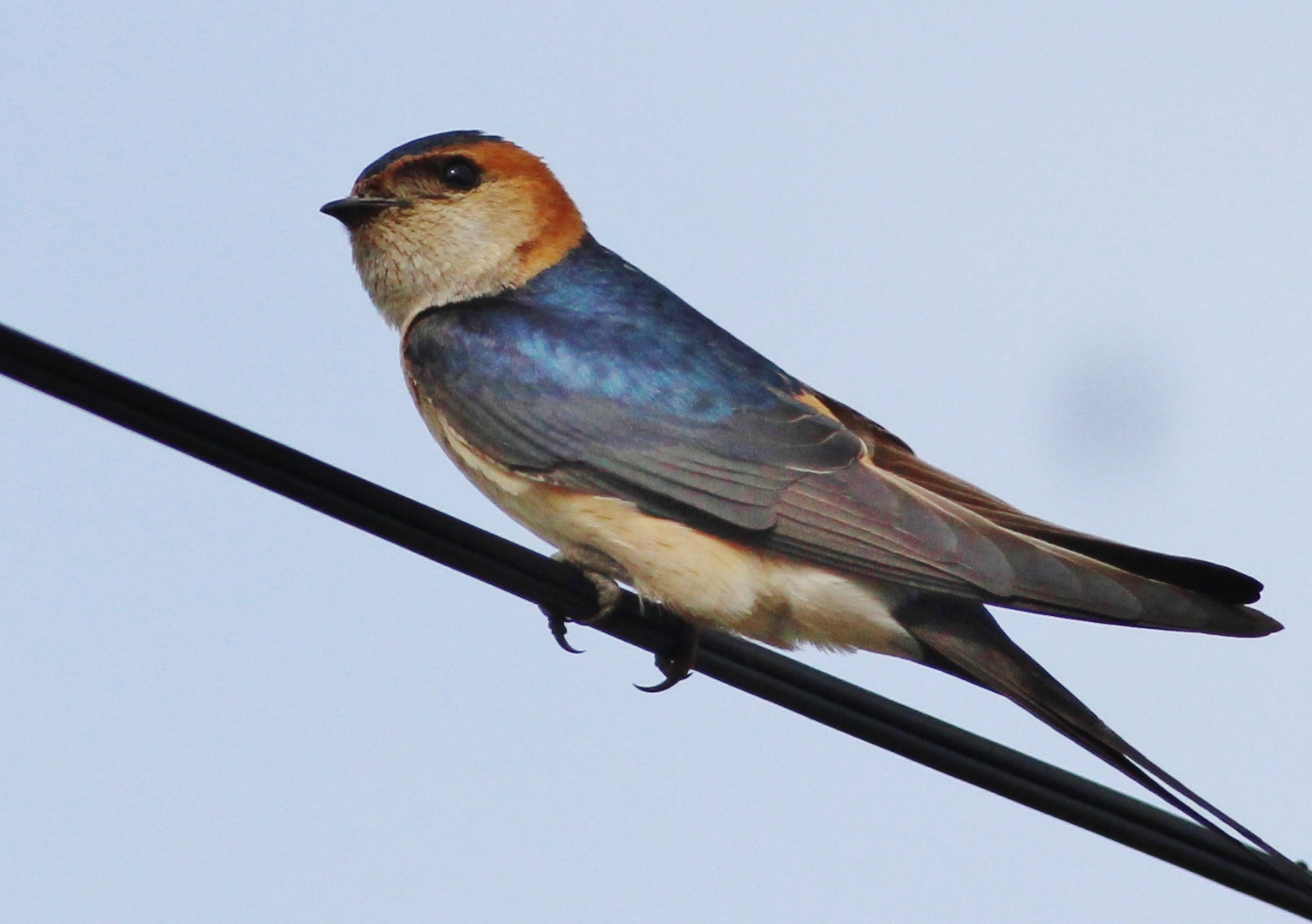
Πρόκειται για τα πιο γνωστά και αγαπητά πουλιά στον τόπο μας καθώς τα χελιδόνια θεωρούνται προάγγελοι της άνοιξης. Αυτό που δεν γνωρίζουν πολλοί Κύπριοι είναι ότι στην Κύπρο έχουμε πέντε διαφορετικά είδη χελιδονιών που ανήκουν όλα στην οικογένεια Χελιδονίδες (Hirundinidae).
Όλα τα είδη χελιδονιών τρέφονται και πίνουν νερό εν πτήσει. Κυρίως τρέφονται με ιπτάμενα έντομα, ακόμα και με αράχνες που παρασύρονται από τον αέρα. Πρόκειται για πολύ ευέλικτα πουλιά και πετούν συνεχώς χωρίς να κουράζονται. Είναι πολύ ωφέλιμα πουλιά, καθώς καταναλώνουν καθημερινά τεράστιες ποσότητες εντομών που είναι βλαβερά ή ενοχλητικά για τον άνθρωπο. Τα πέντε είδη χελιδονιών που συναντούμε στον τόπο μας είναι: Το Σταβλοχελίδονο Barn swallow (Hirundo rustica), το Λευκοχελίδονο Common House Martin (Delichon urbicum), το Μιλτοχελίδονο Red-rumped Swallow (Cecropis daurica), το Βραχοχελίδονο Eurasian crag martin (Ptyonoprogne rupestris) και το Oχθοχελίδονο Sand martin (Riparia riparia)

Λάσπη και χόρτο
Από τα πέντε είδη, μόνο τα τέσσερα φωλιάζουν στην Κύπρο χτίζοντας τα ιδία τις φωλιές τους.
Το Σταβλοχελίδονο, το Λευκοχελίδονο, το Μιλτοχελίδονο και το Βραχοχελίδονο χρησιμοποιούν τα ίδια υλικά, αλλά το κάθε είδος έχει τη δική του τεχνική όσον αφορά το σχήμα της φωλιάς.
Τα υλικά που χρησιμοποιούν είναι λάσπη ανακατεμένη με μικρά κομματάκια χόρτου για να ενδυναμώσουν τη φωλιά, ακριβώς όπως έκτιζαν παλιά τα πλινθόκτιστα σπίτια. Στο εσωτερικό των φωλιών τοποθετούν πολύ μαλακά χόρτα και φτερά. Τις φωλιές τους τις κτίζουν σε στάβλους, κάτω από βεράντες σπιτιών, κάτω από γεφύρια, μέσα σε φυσικά κοιλώματα σε γκρεμούς, ακόμα και μέσα σε σπηλιές. Όταν οι συνθήκες είναι ευνοϊκές, γεννούν περισσότερες φορές από μία φορά. Πάντα επιστρέφουν και γεννούν στις ίδιες φωλιές, εκτός εάν ενοχληθούν.
Oχθοχελίδονο
Το Oχθοχελίδονο χρησιμοποιά την Κύπρο ως ενδιάμεσο μεταναστευτικό σταθμό και δεν φωλιάζει στον τόπο μας. Είναι το μόνο από τα πέντε είδη που συναντούμε στην Κύπρο που δεν κατασκευάζει φωλιά με πηλό. Ανοίγει τρύπες σε μαλακές όχθες τοποθετώντας μέσα λίγα ξηρά χόρτα και φτερά και γεννά μέσα μέχρι πέντε αβγά λευκού χρώματος.

Βραχοχελίδονο
Το βραχοχελίδονο το συναντούμε σε ορεινές περιοχές και φωλιάζει συνήθως σε αποικίες σε απότομους γκρεμούς. Πολλά ζευγάρια δεν μεταναστεύουν και μένουν στον τόπο μας ολόχρονα. Γεννά μέχρι πέντε πιτσιλωτά αβγά.

Μιλτοχελίδονο
Το Μιλτοχελίδονο το συναντούμε κυρίως σε ορεινές περιοχές και είναι το πιο όμορφο από όλα τα άλλα είδη. Χτίζει τη φωλιά του κάτω από γεφύρια, κάτω από βεράντες σπιτιών, σε κοιλώματα γκρεμών, ακόμα και μέσα σε σπηλιές. Η φωλιά του είναι η πιο εντυπωσιακή από όλα τα άλλα είδη. Γεννά μέχρι 5 αβγά λευκού χρώματος.

Λευκοχελίδονο
Το Λευκοχελίδονο το συναντούμε και σε πεδινές αλλά και ορεινές περιοχές και φωλιάζει κυρίως σε αποικίες κάτω από βεράντες, γεφύρια και γκρεμούς. Γεννά και αυτό μέχρι 5 αβγά λευκού χρώματος. Πριν αρκετά χρόνια υπήρχε μία μεγάλη αποικία από Λευκοχελίδονα που έχτιζαν τις φωλιές τους σε μία καμάρα της εκκλησίας στο χωριό Κάθηκας. Οι φωλιές ήταν η μια ενωμένη πάνω στην άλλη περιμετρικά της καμάρας και το θέαμα απίστευτα εντυπωσιακό, καθώς δεκάδες Λευκοχελίδονα πηγαινοέρχονταν για να ταΐσουν τα μικρά τους. Δεκάδες ντόπιοι αλλά και τουρίστες σταματούσαν εκεί για να θαυμάσουν το υπέροχο θέαμα, ώσπου, από ό,τι έμαθα, ο ιερέας του χωρίου έδωσε οδηγίες να χαλάσουν τις φωλιές για σκοπούς καθαριότητας. Τα πουλιά δεν φώλιασαν ξανά εκεί. Απαράδεχτη ενέργεια, και μάλιστα από παπά άνθρωπο.

Σταβλοχελίδονο
Το Σταβλοχελίδονο αποτελεί το πιο γνωστό και κοινό είδος από όλα τα άλλα είδη. Φωλιάζει κυρίως κάτω από βεράντες σπιτιών. Και αυτό γεννά μέχρι πέντε πιτσιλωτά αβγά.
Τα χελιδόνια έχουν διάφορους εχθρούς, όπως θεομηνίες κατά τη μετανάστευση όπου μπορεί να βρουν τον θάνατο κατά εκατοντάδες, φίδια που μπορεί να σκαρφαλώσουν στις φωλιές και να καταβροχθίσουν τους νεοσσούς, τα αρπαχτικά πουλιά που τα πιάνουν εν πτήσει, αλλά και να αρπάζουν τους νεοσσούς από τη φωλιά, και φυσικά τους ανθρώπους που πολλές φορές χαλούν τις φωλιές των χελιδονιών από τις βεράντες τους, θεωρώντας τες βρομιά. Είναι μεγάλη χαρά και ευτυχία να έχεις μία φωλιά χελιδονιών κάτω από τη βεράντα σου και να βλέπεις όλη την εκπληκτική διαδικασία αναπαραγωγής αυτών των πουλιών. Πολλοί ασυνείδητοι κυνηγοί όταν δεν βρουν να χτυπήσουν κάποιο θήραμα διασκεδάζουν κάνοντας σκοποβολή πάνω στα χελιδόνια, σκοτώνοντάς τα, πράγμα που το έχω δει πολλές φορές με τα μάτια μου. Ένας άλλος μεγάλος εχθρός για τα πουλιά αυτά είναι οι εκτεταμένοι ψεκασμοί που σκοτώνουν τα έντομα και τα πουλιά δεν μπορούν να βρουν ικανοποιητική τροφή για να επιβιώσουν.


ΓΙΩΡΓΟΣ ΚΩΝΣΤΑΝΤΙΝΟΥ
Ο Γιώργος Κωνσταντίνου γεννήθηκε το 1960 στη Λευκωσία και είναι φυσιοδίφης ερευνητής της κυπριακής βιοποικιλότητας. Φωτογράφος και κινηματογραφιστής αγρίας ζωής και πρόεδρος του συνδέσμου προστασίας φυσικής κληρονομίας και βιοποικιλότητας της Κύπρου. Με ακούραστη δράση στα μέσα κοινωνικής δικτύωσης όσον αφορά το περιβάλλον και την βιοποικιλότητα του τόπου μας


The Five Species of Swallows Found in Cyprus (WEB TV) – By George Konstantinou – Politis Newspaper, 11 June 2018

