Άρθρα του Γιώργου Κωνσταντίνου (162) στην εφημερίδα Πολίτης – George Konstantinou Articles at Politis newspaper from 24/9/2017 – 1/11/2020
Κείμενο, φωτογραφίες και βίντεο του Γιώργου Κωνσταντίνου

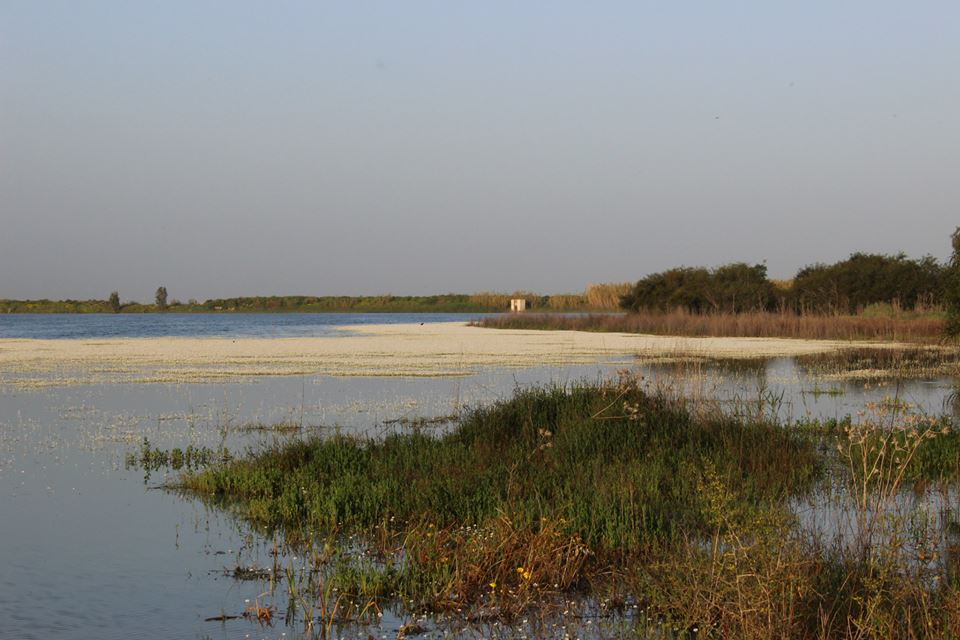
Το φράγμα Κουκλιών βρίσκεται στο μικρό κατεχόμενο χωριό Κούκλια Αμμοχώστου και πρόκειται για το πρώτο φράγμα που έχει κατασκευαστεί στην Κύπρο. Έχει κατασκευαστεί από τους Βρετανούς το 1900 για την άρδευση των καλλιεργειών των χωριών Καλοψίδα, Κούκλια και Γαϊδουράς τα οποία γειτνιάζουν με το φράγμα. Οι τότε καλλιέργειες ήταν ως επί το πλείστον βαμβακιού. Πρόκειται για χωμάτινο φράγμα που δέχεται νερό από τους δύο μεγάλους μας χειμάρρους Πεδιαίο και Γιαλιά. Προπολεμικά ήταν γνωστή ως η «Χαβούζα» των Κουκλιών και ήταν χωρητικότητας περίπου 4.500 εκατομμυρίων κυβικών μέτρων νερού όταν κατασκευάστηκε και με βάθος περίπου έξι μετρά, ενώ τώρα η χωρητικότητα σε νερό είναι πολύ πιο λίγη και το βάθος δεν ξεπερνά τα δύο μέτρα λόγω των όγκων χώματος που έχουν κουβαλήσει μέσα οι δύο ποταμοί. Είναι μια άγνωστη λίμνη για τον περισσότερο κόσμο καθώς δεν φαίνεται από κανέναν δρόμο και ο μόνος δρόμος για να πάει κάποιος εκεί είναι ένας χωματόδρομος από το κέντρο του χωριού.
Δύο χείμαρροι
Τα παλαιότερα χρόνια το φράγμα γέμιζε κάθε χρόνο καθώς τότε είχαμε πολυομβρίες και οι δύο χείμαρροι κατέβαιναν κάθε χρόνο ορμητικοί και γέμιζαν το φράγμα. Από τότε που έβγαλα αυτές τις φωτογραφίες, στις 9/3/2015, δυστυχώς το φράγμα δεν έχει ξαναπιάσει νερό λόγω της παρατεταμένης ανομβρίας που μαστίζει τον τόπο μας.
Σε περιόδους με αρκετή βροχόπτωση που η λίμνη γεμίζει, μετατρέπεται σε έναν πραγματικό παράδεισο για τα αποδημητικά πουλιά και αποτελεί έναν από τους πιο σημαντικούς υδροβιότοπους της Κύπρου. Χιλιάδες υδρόβια πουλιά χρησιμοποιούν τη λίμνη ως ενδιάμεσο μεταναστευτικό σταθμό, ενώ άλλα διαχειμάζουν και αναπαράγονται εκεί. Αποτελεί επίσης παράδεισο για πολλούς ντόπιους αλλά και ξένους παρατηρητές και φωτογράφους άγριων πτηνών. Εκεί έχουν καταμετρηθεί πέραν των 200 διαφορετικών ειδών πουλιών, δηλαδή περισσότερα από τα μισά είδη πουλιών που καταγράφηκαν σε ολόκληρη την Κύπρο. Τον Μάιο του 2015 έχει αναφερθεί και το σπανιότατο για την Κύπρο, Lesser flamingo (Phoenicopterus minor), που αποτελεί την πρώτη και μοναδική αναφορά για την Κύπρο μέχρι τώρα και που είχα την τύχη να το δω και να το φωτογραφίσω.
Σε υδρόβια βλάστηση
Πολλά πουλιά όπως φαλαρίδες, νερόκοτες, αναπαράγονται εκεί φτιάχνοντας επιπλέοντες φωλιές μέσα στο νερό και μέσα σε υδρόβια βλάστηση, ενώ άλλα όπως πάπιες, καλαμοκανάδες, πελλοκατερίνες και πολλά άλλα είδη φτιάχνουν τη φωλιά τους περιμετρικά της λίμνης. Την αναφέρω και ως λίμνη διότι μοιάζει με φυσική λίμνη περισσότερο από ό,τι με φράγμα.
Το πιο εντυπωσιακό και εξωπραγματικό όμως θέαμα για τα δεδομένα της Κύπρου είναι ένα είδος υδρόβιου φυτού που φύεται μέσα στο νερό και ανθίζει τον μήνα Μάρτιο. Τα άνθη και τα φύλλα του επιπλέουν στην επιφάνεια του νερού το ένα κολλητό στο άλλο και καταλαμβάνει σχεδόν ολόκληρη τη λίμνη και μοιάζει με ένα απαλό άσπρο πέπλο απλωμένο στο νερό.

Ranunculus sphaerospermus
Πρόκειται για το υδρόβιο φυτό Ranunculus sphaerospermus της οικογενείας Ranunculaceae και βρίσκεται στην κόκκινή λίστα των προστατευόμενων ειδών της IUCN Red List. Το συναντάμε στην Ευρώπη, την Κύπρο, τη νοτιοδυτική Ασία και τη βόρειο Αφρική. Είναι εποχιακό φυτό και φύεται σε ήσυχα ρυάκια, σε εποχιακά λιμνία και ρηχές λίμνες. Το άνθος του έχει διάμετρο 15 με 20 χιλιοστά με πέντε άσπρα πέταλα ενώ το κέντρο του άνθους είναι κίτρινο. Το φυτό αυτό μπορεί να παραμείνει αδρανές μέχρι και μερικά χρόνια περιμένοντας ξανά το νερό σε μια λίμνη για να δραστηριοποιηθεί ξανά. Το συναντάμε σε δύο διαφορετικούς σχηματισμούς στο φύλλωμα, αλλά πρόκειται για το ίδιο είδος. Ένα υποείδος του φυτού αυτού ο Ranunculus peltatus φύεται σε εποχιακά λιμνία σε μερικές περιοχές, μια από αυτές είναι στον ποταμό του Λιοπετρίου.

Όταν η λίμνη είναι γεμάτη με νερό υπάρχουν και αρκετά ψάρια που αποτελούν μια καλή πηγή τροφής για όλα τα υδρόβια πουλιά. Τα ψάρια τα κουβαλούν οι δύο χείμαρροι από τα φράγματα που υπερχειλίζουν και καταλήγουν στους ποταμούς.
Άσπρο πέπλο από εκατομμύρια λουλούδια
Ανακάλυψα τη λίμνη αυτή εντελώς τυχαία. Ήμουν σε έναν χωματόδρομο και την είδα από μακριά, την πλησίαζα και έβλεπα τη μισή λίμνη κάτασπρη και δεν μπορούσα να καταλάβω γιατί. Όταν έφτασα εκεί και κατάλαβα ότι το άσπρο πέπλο που έβλεπα ήταν από εκατομμύρια λουλούδια μέσα στο νερό έμεινα άφωνος, δεν περίμενα να δω αυτό το θέαμα στην Κύπρο.

Το θέαμα ήταν εξωπραγματικό, εκατοντάδες πουλιά κολυμπούσαν ανάμεσα στα λουλούδια ενώ σμήνη από πάπιες, χαλκόκοτες, ερωδιοί, αρπαχτικά πουλιά ακόμα και φλαμίνγκο πετούσαν πάνω από τη λίμνη. Χιλιάδες λιβελούλες και πεταλούδες πετούσαν ολόγυρα. Πραγματικά εκείνη τη μέρα είχα την πιο συναρπαστική εμπειρία της ζωής μου από την κυπριακή φύση.


Τα λόγια και οι φωτογραφίες δεν μπορούν να αποδώσουν την πραγματική μαγεία της λίμνης αυτής. Επισκεφτείτε τη λίμνη αυτή σε περίοδο πολυομβρίας κατά τον μήνα Μάρτιο και θα εκπλαγείτε. Μπορεί η λίμνη αυτή να βρίσκεται στα κατεχόμενα, αλλά τα κατεχόμενα εδάφη είναι μέρος της πατρίδας μας, είναι δικά μας και έχουμε ηθική υποχρέωση να τα γνωρίσουμε και να δείχνουμε συνεχώς την παρουσία μας παντού στον κατακτητή.


Δυστυχώς η κλιματική αλλαγή που ζούμε τα τελευταία χρόνια και που φέρνει με ταχείς ρυθμούς την ερημοποίηση στον τόπο μας θα έχει καταστροφικές συνέπειες σε όλο το φάσμα της βιοποικιλότητας. Οι χείμαρροι και οι υγροβιότοποι θα μένουν για χρόνια χωρίς νερό, η συγκεκριμένη λίμνη αν δεν βρέξει και φέτος θα είναι ο τρίτος κατά σειρά χρόνος που θα παραμείνει χωρίς νερό.


ΓΙΩΡΓΟΣ ΚΩΝΣΤΑΝΤΙΝΟΥ
GEORGE KONSTANTINOU, 21 January 2018
Text, photographs and videos by George Konstantinou
Kouklia Dam is located in the small occupied village of Kouklia in the Famagusta District and was the first dam to be constructed in Cyprus. It was built by the British in 1900 to irrigate the crops of the villages of Kalopsida, Kouklia and Gaidouras, which are situated close to the dam. At that time, the crops consisted mainly of cotton.
It is an earth dam supplied with water by two of our major seasonal rivers, the Pedieos and the Gialias. Before the war, it was known as the “Havouza” of Kouklia. When it was constructed, it had a capacity of approximately 4.5 million cubic metres of water and a depth of about six metres. Today, its capacity is much lower and its depth does not exceed two metres because of the enormous quantities of soil carried into it by the two rivers.
It is a lake that remains unknown to most people, as it cannot be seen from any road. The only way to reach it is by following a dirt road from the centre of the village.
Two seasonal rivers
In earlier years, the dam filled every year because rainfall was much heavier. The two rivers flowed forcefully each year and filled the reservoir. Unfortunately, since I took these photographs on 9 March 2015, the dam has not filled with water again because of the prolonged drought affecting our country.
During periods of sufficient rainfall, when the lake fills, it becomes a true paradise for migratory birds and one of the most important wetlands in Cyprus. Thousands of waterbirds use the lake as a stopover during migration, while others spend the winter or breed there. It is also a paradise for many local and foreign birdwatchers and wildlife photographers.
More than 200 different bird species have been recorded there—over half of all the bird species recorded throughout Cyprus. In May 2015, the Lesser Flamingo (Phoenicopterus minor), an exceptionally rare bird in Cyprus, was reported there. This was the first and, to date, only record of the species in Cyprus, and I was fortunate enough to see and photograph it.
Among aquatic vegetation
Many birds, including Eurasian Coots and Common Moorhens, breed there, constructing floating nests on the water and among the aquatic vegetation. Others, such as ducks, Black-winged Stilts, Northern Lapwings and many other species, build their nests around the perimeter of the lake.
I also refer to it as a lake because it resembles a natural lake much more than a dam.
The most impressive and almost otherworldly sight by Cypriot standards, however, is a species of aquatic plant that grows in the water and flowers during March. Its flowers and leaves float tightly packed together on the water’s surface, covering almost the entire lake and making it resemble a delicate white veil spread across the water.
Ranunculus sphaerospermus
It is the aquatic plant Ranunculus sphaerospermus of the family Ranunculaceae, and it is included on the IUCN Red List of protected species. It occurs in Europe, Cyprus, southwestern Asia and northern Africa.
It is a seasonal plant that grows in slow-flowing streams, temporary pools and shallow lakes. Its flower measures 15–20 millimetres in diameter and has five white petals with a yellow centre.
This plant can remain dormant for several years, waiting for water to return to a lake before becoming active again. It occurs in two different foliage forms, although both belong to the same species. A subspecies of this plant, Ranunculus peltatus, grows in temporary pools in several areas, one of which is along the Liopetri River.
When the lake is full, it also contains many fish, which provide an important source of food for all the waterbirds. The fish are carried into the lake by the two rivers from upstream dams when these overflow and release water into the river channels.
A white veil of millions of flowers
I discovered this lake entirely by chance. I was travelling along a dirt road when I saw it in the distance. As I approached, I could see that half of the lake was completely white, but I could not understand why.
When I arrived and realised that the white veil before me consisted of millions of flowers growing in the water, I was left speechless. I had never expected to witness such a sight in Cyprus.
The spectacle was otherworldly. Hundreds of birds were swimming among the flowers, while flocks of ducks, Glossy Ibises, herons and birds of prey—and even flamingos—flew above the lake. Thousands of dragonflies and butterflies were flying all around.
That day truly gave me the most thrilling experience of my life in the natural world of Cyprus.
Words and photographs cannot convey the true magic of this lake. Visit it during a period of heavy rainfall in March and you will be amazed.
The lake may be located in the occupied areas, but the occupied lands are part of our homeland. They belong to us, and we have a moral obligation to know them and to demonstrate continually to the occupier our presence everywhere.
Unfortunately, the climate change we have experienced in recent years, which is rapidly bringing desertification to our country, will have devastating consequences across the entire spectrum of biodiversity.
Our seasonal rivers and wetlands will remain without water for years. If there is insufficient rainfall again this year, this particular lake will remain dry for the third consecutive year.
GEORGE KONSTANTINOU
George Konstantinou was born in Nicosia in 1960 and is a naturalist and researcher of Cyprus biodiversity. He is a wildlife photographer and filmmaker and President of the Association for the Protection of the Natural Heritage and Biodiversity of Cyprus. He is tirelessly active on social media in matters concerning the environment and the biodiversity of our country.

