Translate

Sunday, 11 October 2015

Λιβάδι Φασουρίου - Fassouri Marsh - Cyprus


Fasouri Marsh is one of the island's sites for migrating birds.


Το Λιβάδι Φασουρίου και οι γύρω υδροβιότοποι μαζί αποτελούν τον μεγαλύτερο και σημαντικότερο υδροβιότοπο της Κύπρου, ο οποίος συγκεντρώνει τους μεγαλύτερους αριθμούς υδρόβιων πουλιών. Χιλιάδες υδρόβια πουλιά διαχειμάζουν εκεί ή χρησιμοποιούν την περιοχή σαν σταθμό κατά την φθινοπωρινή και ανοιξιάτικη μετανάστευση. 

Photos  10/10/ 2015 by George Konstantinou
See also 

Cypriot cows and bulls at Fassouri Marsh - Cyprus


Εκκλησία Agios Ermogenis Episkopi, Limassol - Άγιος Ερμογένης στην Επισκοπή - Cyprus

Το πετρόχτιστο ξωκλήσι του Άγιου Ερμογένη, που κτίστηκε προς τιμήν του Αγίου, αφότου η κοντινή θάλασσα έβγαλε στην ακτή το λείψανό του, που είχαν ρίξει στη θάλασσα, αφότου τον αποκεφάλισαν, ειδωλολάτρες στη Σάμο. Απέναντι απ’ το εκκλησάκι βρίσκεται και ένας καλά διατηρημένος αρχαίος βασιλικός τάφος.

Photos Episkopi , 10/10/ 2015 by George Konstantinou


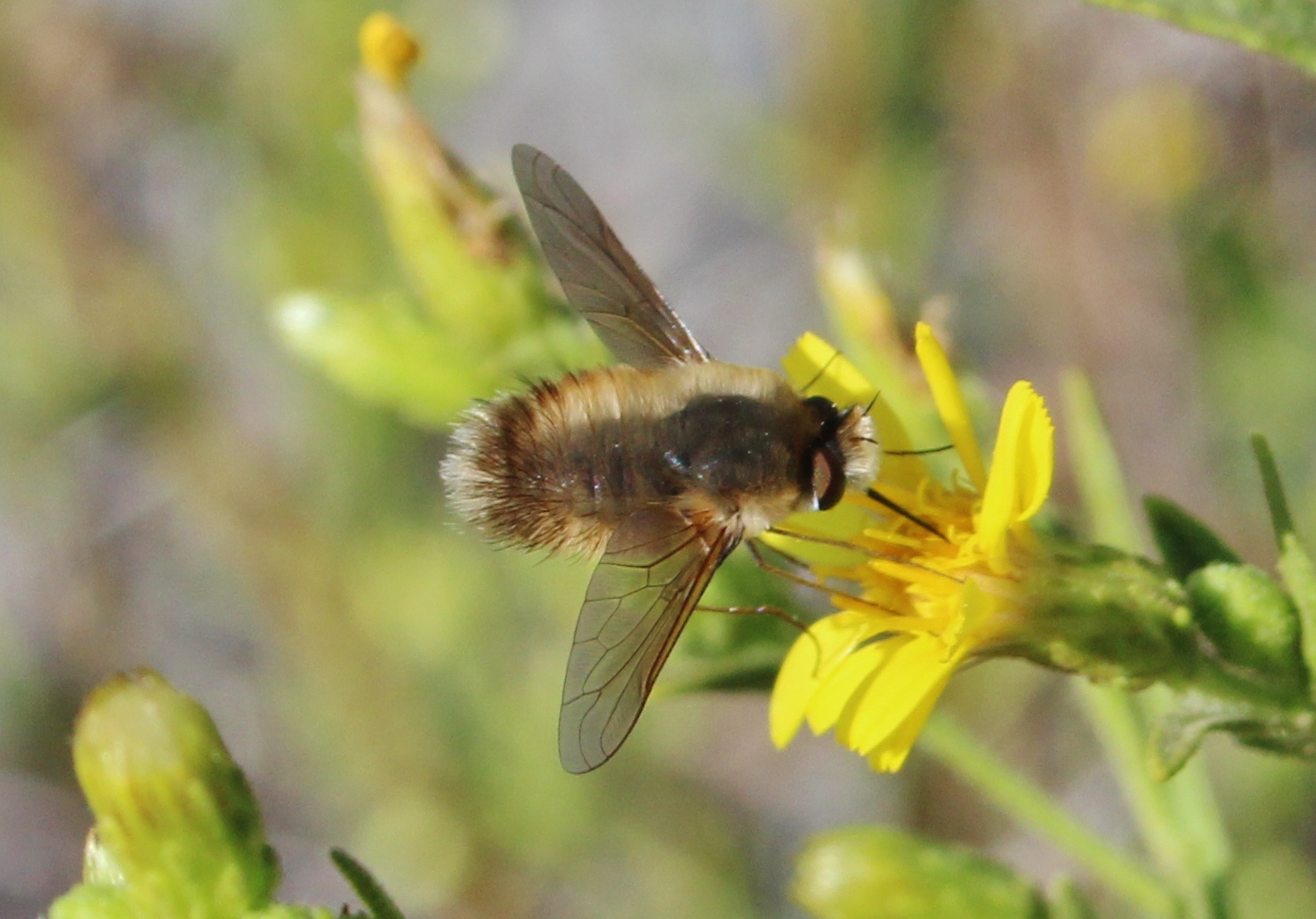
Bombylius sp. - Cyprus


Bombylius is a large genus of flies belonging to the family Bombyliidae. They are known as the bee-flies, due to their striking resemblance to bees and bumblebees, and are distributed world-wide. One species of the genus, Bombylius major, is widely distributed throughout the northern hemisphere and is very well known.
All species in the genus share a similarity with the unrelated bees and bumblebees, which they mimic, possessing a thick coat of fur, with a colour ranging from yellow to orange. They can, however, be told apart from their models by the long and stiff proboscis they possess, used to probe for nectar as they fly (much like a hummingbird), by their rapid and darting flight, and by the peculiar structure of their legs. As larvae, they are parasitic and infest the nests of solitary bees, consuming their food stores and grubs..From Wikipedia, the free encyclopedia
Photos Geri , 31/10/ 2014 by George Konstantinou


European beewolf - Philanthus triangulum (Fabricius, 1775) - Cyprus


Philanthus triangulum, commonly known as the European beewolf or the bee-eating philanthus (from the now obsolete synonym Philanthus apivorus), is a solitary wasp that lives in Europe and Northern Africa. Although the adults of the species are herbivores (feeding on nectar and pollen), the species derives its name from the behavior of the inseminated females, who hunt Western honey bees. The female places several of its paralyzed prey together with an egg in a small underground chamber, to serve as food for the wasp larvae. All members of the genus Philanthus hunt various species of bees, but P. triangulum is apparently the only one that specializes in Western honey bees.From Wikipedia, the free encyclopedia
Photos Geri , 31/10/ 2014 by George Konstantinou


Saturday, 10 October 2015

Eleonora's falcon (Falco eleonorae) (Gene, 1839) - Μαυροπετρίτης - Μαυρομμάτης - Cyprus

See also

List of Cyprus birds of prey on this blog - Λίστα Αρπαχτικών πουλιών της Κύπρου σε αυτό το ιστολόγιο

 - Αρπαχτικά πουλιά της Κύπρου

Eleonora's falcon (Falco eleonorae) is a medium-sized falcon. It belongs to the hobby group, a rather close-knit number of similar falcons often considered a subgenus Hypotriorchis. The sooty falcon is sometimes considered its closest relative, but while they certainly belong to the same lineage, they do not seem to be close sister species. Eleonora's falcon is named after Eleonor of Arborea, national heroine of Sardinia

Eleonora's falcon is an elegant bird of prey, 36–42 cm (14–17 in) long with an 87–104 cm (34–41 in) wingspan. It is shaped like a large Eurasian hobby or a small slender peregrine falcon, with its long pointed wings, long tail and slim body. There are two colour morphs: The adult dark morph is all sooty brown, with black underwing coverts. The light morph is more like a juvenile Eurasian hobby, but has buff underparts, and also shows the contrast between the black underwing coverts and paler base to the flight feathers. Young birds are also like a large juvenile hobby, but the pale underparts contrast with darker wingtips and wing coverts. The call is a typical falcon kek-kek-kek.
This species breeds on islands in the Mediterranean particularly off Greece (where two-thirds of the world's population breeds), but also in the Canary IslandsIbiza and off SpainItalyCroatiaMorocco and AlgeriaTilos Park is the breeding area for 10% of the world population of Eleonora's falcons. Six hundred and fifty pairs of this species breed on this island according to research conducted by the Hellenic Ornithological Society and the European Union LIFE-Nature program of Tilos. It is rare as a vagrant north of its range.
This is a long-distance migrant, wintering in Madagascar. The migration route has been recently discovered and, contrary to previous suggestions, it has been demonstrated by satellite telemetry to be inland through the African continent. Traditionally it has been suggested to be coastal, with birds from the western end of the Mediterranean flying to Suezbefore flying south down the Red Sea, and across the Horn of Africa. However, recent satellite tracked animals by Spanish and German researchers have demonstrated an inland route through the Sahara Desert, the equatorial rainforests until reaching Kenya and Mozambique. The total distance covered during the flight has reached up to 9,000 km (5,600 mi) for a single one-way trip.
It will take large insects, such as dragonflies, which are transferred from talons to beak and eaten in flight.
This species has a delayed breeding season, in late summer, because it is a specialist hunter of migrating birds which pass through the Mediterranean islands at this time of year. It captures small birds in flight, using its speed and aerobatic skills. Birds spend much time cruising along coastal cliffs with steady wingbeats watching for tired incoming migrants. During a fieldwork study in Mogador island,Morocco, researchers found that Eleonora's Falcons are imprisoning live prey in rock crevices for later consumption. This falcon is unique in that it is one of the few species that breeds during early autumn, feeding its chicks with other migratory birds that are in abundance that period. It is also one of the few falcon species that creates breeding colonies. It nests on coastal cliffs, laying up to four eggs.
From Wikipedia, the free encyclopedia

Ο Μαυροπετρίτης είναι είδος γνήσιου  γερακιού (γένος Falco), που απαντά και στον ελληνικό χώρο.
Η επιστημονική ονομασία του είδους είναι Falco eleonorae και δεν περιλαμβάνει υποείδη (μονοτυπικό) αλλά, σύμφωνα με τους περισσότερους ορνιθολόγους, δύο χρωματικές φάσεις (colour phases) (βλ. Μορφολογία).
Ο μαυροπετρίτης είναι πλήρως μεταναστευτικό είδος του Παλαιού Κόσμου, με εξαιρετικά περιορισμένο και διακεκομμένο φάσμα κατανομής. Έρχεται να αναπαραχθεί στην ευρύτερη περιοχή της Μεσογείου, από την Κύπρο μέχρι τα Κανάρια και από την Κροατία μέχρι το ΒΔ. Μαρόκο και την Αλγερία, αλλά σε πολύ εξειδικευμένα οικοσυστήματα που περιορίζουν την εξάπλωσή του (βλ. Βιότοπος). Η Ελλάδα αποτελεί από τις σημαντικότερες αναπαραγωγικές επικράτειες του πτηνού, παγκοσμίως (βλ. Κατάσταση στην Ελλάδα).
Διαχειμάζει στην Αφρική πραγματοποιώντας πολύ μεγάλο ταξίδι, για να διαχειμάσει στην Μαδαγασκάρη, την Μοζαμβίκη και τα νησιά Μασκαρέν του Ινδικού.
Ο μαυροπετρίτης φωλιάζει δίπλα στη θάλασσα, στις απότομες ορθοπλαγιές νησιών ή παράκτιων ηπειρωτικών περιοχών, καθώς και σε επίπεδες ήσυχες νησίδες, με ασβεστολιθικό ή ηφαιστειακό γεωλογικό υπόβαθρο, με την προϋπόθεση να υπάρχουν σκιερές θέσεις για το μεγαλύτερο μέρος της ημέρας. Στους μήνες που προηγούνται της αναπαραγωγής, ορισμένοι ενήλικες κουρνιάζουν στα βράχια φωλιάσματος, ενώ άλλοι μένουν μακριά για αρκετές ημέρες.
Στην Ελλάδα, οι αναπαραγόμενοι πληθυσμοί -στο χρονικό διάστημα πριν φωλιάσουν- διασπείρονται σε ποικιλία ενδιαιτημάτων και, πέρα από τους «κλασσικούς» παράκτιους οικοτόπους, έχουν καταγραφεί μαυροπετρίτες σε οικοσυστήματα μακί, ορεινές δασικές θέσεις, ακόμη και σε ελαιώνες. Υψομετρικά, κινούνται από το επίπεδο της θάλασσας μέχρι τις υψηλές κορυφές. 
Από τη Βικιπαίδεια, την ελεύθερη εγκυκλοπαίδεια
Photos Episkopi , 10/10/ 2015 by George Konstantinou


Friday, 9 October 2015

Smyrnium connatum (Boiss. & Kotschy) - Cyprus

Smyrnium is a genus of flowering plants in the family Apiaceae, the umbellifers.

Photos Kiperounta , 9/5/ 2015 by George Konstantinou


Beet armyworm or small mottled willow moth - Spodoptera exigua (Hübner, 1808) - Cyprus

Family: Noctuidae

The beet armyworm or small mottled willow moth (Spodoptera exigua) is one of the best-known agricultural pest insects. It is also known as the asparagus fern caterpillar. It is native to Asia, but has been introduced worldwide and is now found almost anywhere its many host crops are grown. The voracious larvae are the main culprits. They are greenish-brown cutworms, soft and bulging caterpillars with dark longitudinal stripes. The adult is a drab brown or grey moth 2 to 3 cm in wingspan.
The larvae feed on the foliage of plants, and can completely defoliate small ones. Smaller larvae devour the parenchyma of leaves, so all that remains is the thin epidermis and veins. Larger larvae tend to burrow holes through thick areas of plants. For example, they burrow straight into a head oflettuce rather than neatly removing tissue from one particular leaf. This renders the produce unmarketable. They attack buds and new growth on plants, preventing flowers from opening, new leaves from sprouting, and vegetables from developing. As the smaller larvae move about they leave strands of silk behind, netting the leaves with a silvery film.
The wide host range of the beet armyworm includes asparagusbeans and peas, sugar and table beetscelerycole cropslettucepotatotomatocottoncerealsoilseedstobacco, many flowers, and a multitude of weed species. . The beet armyworm does not tolerate cold. It can overwinter in warm areas, such as Florida and Hawaii, but in colder areas, it dies off during the winter and the region is reinvaded by the adult moth as the weather warms and crop plants sprout.
In the British Isles, where it is an introduced species and not known to breed, the adult moth is known as the small mottled willow.From Wikipedia, the free encyclopedia
Photos Geri , 26/8/ 2015 by George Konstantinou


Thursday, 8 October 2015

Hodebertia testalis. (Fabricius, 1794) - Cyprus

See also - List of Moths of Cyprus you will find in this blog (Lepidoptera)


Hodebertia is a genus of micro-moth of the Crambidae family. It contains only one species, Hodebertia testalis, and is found in the tropics, but ranges north to parts of Europe on occasion.
Adults are white, with two ragged brown arcs across each wing. The larvae feed on Hibiscus,Gomphocarpus and Asclepias species (including Asclepias curassavica).
Hodebertia testalis is an African tropical species which has been recorded in the Democratic Republic of CongoKenyaMadagascar,MozambiqueRéunionSaint HelenaSomaliaSouth Africa and Zambia. It is occasionally found in Europe and has been reported from CroatiaEngland (St Mary's, Isles of Scilly), FranceGreeceItalyPortugalSpain and Switzerland. Elsewhere it has been found in Australia(Queensland), IndiaIndonesiaJapanSaudi ArabiaSyriaTaiwan and Yemen.
From Wikipedia, the free encyclopedia

.Photos Geri 8/10/2015  by George Konstantinou


Large tabby - Aglossa pinguinalis (Linnaeus, 1758) - Cyprus


Family: Pyralidae
Aglossa pinguinalis, also known as the large tabby, is a moth in the Pyralinae subfamily.
The larvae feed on dead vegetation, fruit and grasses.From Wikipedia, the free encyclopedia

.Photos Geri 8/10/2015  by George Konstantinou


Evania appendigaster (Linnaeus, 1758) - Cyprus


Evania appendigaster is a species of wasp in the family Evaniidae, the ensign wasps. Its native range is not known, but it likely originated in Asia. Today it occurs throughout the tropics and subtropics and in many temperate regions. It is a parasitoid wasp known for specializing on cockroaches.
This is one of the larger ensign wasps, with forewings up to about 7 millimeters long. It is distinguished from other species by the wide separation of the first and second sections of the coxa, the segment of the leg that attaches to the body. It is black in color. The abdominal petiole, the constricted stalk that holds the posterior section of the abdomen, or gaster, is attached high on the body. The gaster is laterally compressed and oval to nearly triangular in shape, held in a flaglike fashion and resembling an ensign, a characteristic of the family that inspired the common name ensign wasp
This wasp reproduces by laying eggs in the egg cases, or oothecae, of cockroaches. The wasplarvae use the cockroach eggs as a food source. Host cockroaches include the American cockroach (Periplaneta americana), Australian cockroach (P. australasiae), brown cockroach (P. brunnea), Oriental cockroach (Blatta orientalis), whitemargined cockroach (Melanozosteria soror), and harlequin cockroach (Neostylopyga rhombifolia).
Detailed descriptions of the oviposition process in this species have been published. As one 1920 account describes it, "the Evaniid left the inside wall of the confining tumbler, ran over the Blattid ootheca, crawled over the surface momentarily as she actively vibrated her antenna and finally settled upon it with the long axis of her body parallel with the long axis of the egg mass as it lay upon its right side. Having satisfactorily settled herself, lying upon her right side she extended her ovipositor and crawling slightly forward she punctured the ootheca in the fifth egg cell of the left side, remaining in position for about fifteen minutes. She then left the egg mass and resting upon the inside wall of the tumbler actively cleaned the ovipositor, wings and antennae.
As a 1957 account describes the "peculiar" egg-laying behavior, "the female lies on her side and, with legs braced against the oötheca, penetrates the tough integument of the egg-capsule after about half-an-hour's hard labour. The process apparently requires "a good deal of hard work and much wriggling of the abdomen.
Other authors describe it as a seven-step process. The wasp lands on the ootheca and drums on it with her antennae. During step two, she extends her ovipositor and taps on the ootheca in several places for up to ten minutes, apparently searching for an appropriate site. After a rest period she begins "drilling", repeatedly inserting her ovipositor. Step five is the actual oviposition stage, in which wasps "just sit on ootheca and lay eggs" Steps six and seven are the withdrawal of the ovipositor and departure, respectively.
One egg is deposited in each cockroach egg capsule, and the wasp larva consumes all the eggs within it. The larva proceeds through five instars during development, stages which are distinguished by the changes in the unique mandibles. The first instar has mandibles with small, sharp teeth which it must use to open the tough cockroach eggs.During the next two instars, the larva has longer mandibles which are "shaped like a gauntlet glove with three teeth. The final two instars have thicker mandibles with a long, blunt upper tooth and a narrow, curving lower tooth.
When the larva reaches about 8 millimeters in length it pupates. Upon maturity it cuts a hole in the egg capsule and exits. The adult wasp lives for two or three weeks. It may spend some time on plants such as parsley and fennel. From Wikipedia, the free encyclopedia

.Photos Geri 8/10/2015  by George Konstantinou