Translate

Thursday, 17 September 2015

Ενετικό γεφύρι Τζελεφού - Venetian Tzelefos bridge - Gefiri tou Tzelefou - Cyprus


 Μεσαιωνικό  πετρινο γεφύρι που είναι και το μεγαλύτερο στην Κύπρο είναι κτισμένο πάνω στον ποταμό Διαρίζο που τροφοδοτά τον φράκτη της Αρμίνου ο οποίος βρίσκεται λίγο πιό κάτω. Το Γεφύρι χρησιμοποιήτω τα παλαιότερα χρόνια για να συνδέει τα χωριά της δυτικής όχθης , το Μηλικούρι , τα Βρέτσια και τον Άγιο Ιωάννη με τα χωρια στα Ανατολικά , τον Άγιο Νικολάο τα καμινάρια και τις Τρείς Ελιές.


.Photos 3/4/2015 
by George Konstantinou
Ποταμός Διάριζος.

Φράγμα της Αρμίνου


Photos 6/7/2020 
 by George Konstantinou


Wednesday, 16 September 2015

Η Καμάρα του Κόρακα στο Κάβο Γκρέκο - Kamara tou Koraka Natural Bridge - Korakas Bridge at Cape Greco. - Cyprus

 Kamara tou Koraka, the most impressive natural bridge of Cyprus, located on the northeast, steep coast of Cape Greco

 Η Καμάρα του Κόρακα, το πιο εντυπωσιακό φυσικό γεφύρι της Κύπρου, που βρίσκεται στη βορειοανατολική, απόκρημνη ακτή του Κάβο Γκρέκο.

See also


Ένα σπάνιο οικοδόμημα που το πινέλο της φύσης χρειάστηκε χιλιάδες χρόνια για να δημιουργήσει στο εθνικό πάρκο του Κάβο Γκρέκο κινδυνεύει να καταποντιστεί στη θάλασσα.   Πρόκειται για την περίφημη «Καμάρα του Κόρακα», ένα περίπου χιλιόμετρο από το ξωκκλήσι και τη σπηλιά των Αγίων Αναργύρων. Ένα απείρου κάλλους πανύψηλο φυσικό γεφύρι πάνω από τη θάλασσα, το οποίο την τελευταία δεκαετία παρουσιάζει βαθμιαία διάβρωση. Κάτι στο οποίο δυστυχώς συνέτειναν, εκτός από το πέρασμα των χρόνων, και οι ρίζες κάποιων θαμνοειδών που είναι φυτρωμένα στο σημείο.  
Το Τμήμα Δασών πριν από μερικά χρόνια προχώρησε στην επιμελή περίφραξη της «Καμάρας του Κόρακα», καθώς η διάβρωσή της επέβαλλε πλέον τη λήψη μέτρων. Δυστυχώς, η δυσκολία χειρισμού της διάσωσης της «Καμάρας του Κόρακα» άφησε το φυσικό αυτό μνημείο στο έλεος της μοίρας του και του καιρού. 
Η διάβρωση του πετρώματος της γέφυρας στο μεταξύ συνέχισε να προχωρεί και, σύμφωνα με τις εκτιμήσεις κάποιων γεωλόγων και άλλων ειδικών, η καταβαράθρωση της καμάρας είναι πλέον θέμα χρόνου. Μια σεισμική δόνηση ή μια άλλη αιτία που θα ταρακουνούσε το έδαφος στην περιοχή θα μπορούσαν ανά πάσα στιγμή να την εξαφανίσουν. 
Πηγή http://www.philenews.com/el-gr/eidiseis-topika/43/224691/chanetai-i-kamara-tou-koraka-sto-kavo-gkreko

.Photos 13/2/2012 by George Konstantinou


Ants - Plagiolepis sp. - Cyprus

Plagiolepis is an ant genus of the formic acid-producing subfamily Formicinae. The genus is found in tropical and temperate regions of the Old World.From Wikipedia, the free encyclopedia

.Photos Geri by George Konstantinou


Tuesday, 15 September 2015

Chrozophora obliqua (Vahl) Spreng. - - Cyprus

Chrozophora is a plant genus of the family Euphorbiaceae first described as a genus in 1824. It comprises monoecious herbs orundershrubs. The genus is widespread across Europe, Africa, and Asia

.Photos Geri 14/9/2015  by George Konstantinou


Dyer's croton, giradol, or turnsole - Chrozophora tinctoria (L.) Raf. - - Cyprus

Chrozophora tinctoria (commonly known as dyer's crotongiradol, or turnsole) is a plant species native to the Mediterranean, the Middle East, India, Pakistan, and Central Asia.
Chrozophora tinctoria produced the blue-purple colorant "turnsole" used in medieval illuminated manuscripts and as a food colorant.From Wikipedia, the free encyclopedia

.Photos kerynia 21/6/2015  by George Konstantinou


Βουνό κόρνος στον πενταδάκτυλο - Kornos mountain at pentadaktilos


Photos 15/3/2015 by George Konstantinou


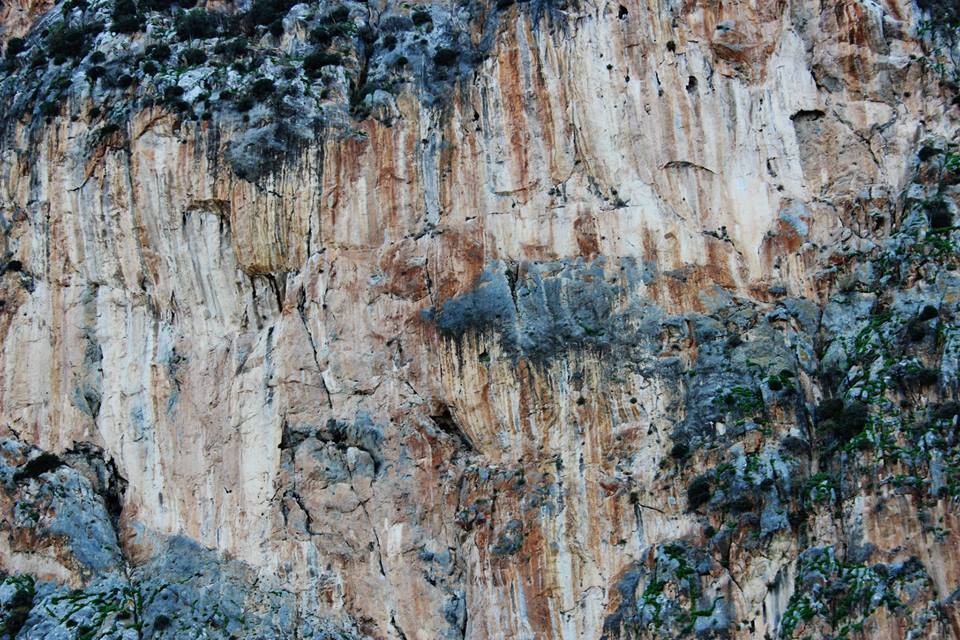
Ο επιβλητικός γκρεμός Πυρόγκρεμμος μεταξύ των χωριών Κάρμι και Φτέρυχα στον Πενταδάκτυλο

See also

sugar ants - Καμπόνωτος - Carpenter ants (Camponotus spp.) Family Formicidae. - Cyprus

Camponotus sp. - Queen

Carpenter ants (Camponotus spp.), also known as sugar ants, are large (0.3 to 1.0 in or 0.76 to 2.54 cm) ants indigenous to many forested parts of the world.
They build nests inside wood consisting of galleries chewed out with their mandibles, preferably in dead, damp wood. They do not consume the wood, however, unlike termites. Sometimes, carpenter ants hollow out sections of trees. They also commonly infest wooden buildings and structures, and are a widespread nuisance and major cause of structural damage. One of the most familiar species associated with human habitation in the United States is the black carpenter ant (Camponotus pennsylvanicus). The genus includes over 1,000 species
Carpenter ant species reside both outdoors and indoors in moist, decaying, or hollow wood, most commonly in forest environments. They cut "galleries" into the wood grain to provide passageways for movement from section to section of the nest. Certain parts of a house, such as around and under windows, roof eaves, decks and porches, are more likely to be infested by carpenter ants because these areas are most vulnerable to moisture.
Carpenter ants have been known to construct extensive underground tunneling systems. These systems often lead to and end at some food source – often aphid colonies, where the ants extract and feed on honeydew. These tunneling systems also often exist in trees. The colonies typically include a central "parent" colony surrounded and supplemented by smaller satellite colonies.
From Wikipedia, the free encyclopedia

.Photos Geri 10/9/2015 by George Konstantinou


Ants - Pheidole sp. - Cyprus


Pheidole is a genus of ant that belongs to the ant subfamily Myrmicinae. The genus is widespread and ecologically dominant. It probably includes more than a thousand species . The genus first evolved in the Americas, eventually spreading across the globe.
Most species of Pheidole are dimorphic, which means that colonies contain two castes of workers: the "minor" workers, and the "major" workers, or "soldiers". The latter generally have enormous heads and mandibles in comparison to their usually fairly modest body size.
In addition, as in other ant species, a colony may contains one or several queens and also, in mature colonies, alates, virgin winged females and males
The distinctive major workers have earned the genus Pheidole the nickname of "big headed ants." The major workers of a Pheidolecolony, while they may look fierce, are often quite shy and are often the first to flee on any hint of danger. Interestingly, manyPheidole species are the prey of parasitoid phorid flies that lay their eggs on the major workers; the fly larvae grow mainly in the head capsules of the victims, eventually decapitating them, and probably would starve in the bodies of minor workers.
In most cases, the major workers are employed within the nest to break up large food items, or outside to carry large items, like seeds; many Pheidole species are ecologically important seed consumers
From Wikipedia, the free encyclopedia

.Photos Geri 10/9/2015 by George Konstantinou


Αιωνόβιες ελιές στο μοναστήρι της Αγίας Παρασκευής στην Βασίλεια - Centuries old Olives at Agia Paraskeui monasteri at Vasilia village - Cyprus