Is a unique natural living habitat which is visited by various migrating birds. It was completed in 1988.

 Το Φράγμα της Άχνας βρίσκεται στην επαρχία Αμμοχώστου. Στις παρυφές του
Φράγματος υπάρχει αρκετή βλάστηση όπως καλαμιώνες και διάφορα θαμνοειδή. Η
περιοχή που περιβάλλει το Φράγμα περιλαμβάνει χωράφια με δημητριακά και
οπορωφόρα δέντρα. Είναι ένας σημαντικός υγροβιότοπος και είναι μια από τις
σημαντικότερες περιοχές στο νησί για την αναπαραγωγή της Πελλοκατερίνας και του
Καλαμοκαννά. Από τις 13 Μαρτίου 2008 η περιοχή έχει χαρακτηρισθεί ως
Ζώνη Ειδικής Προστασίας στα πλαίσια του προγράμματος «ΦΥΣΗ 2000
Το Φράγμα της Άχνας βρίσκεται στην επαρχία Αμμοχώστου. Στις παρυφές του
Φράγματος υπάρχει αρκετή βλάστηση όπως καλαμιώνες και διάφορα θαμνοειδή. Η
περιοχή που περιβάλλει το Φράγμα περιλαμβάνει χωράφια με δημητριακά και
οπορωφόρα δέντρα. Είναι ένας σημαντικός υγροβιότοπος και είναι μια από τις
σημαντικότερες περιοχές στο νησί για την αναπαραγωγή της Πελλοκατερίνας και του
Καλαμοκαννά. Από τις 13 Μαρτίου 2008 η περιοχή έχει χαρακτηρισθεί ως
Ζώνη Ειδικής Προστασίας στα πλαίσια του προγράμματος «ΦΥΣΗ 2000
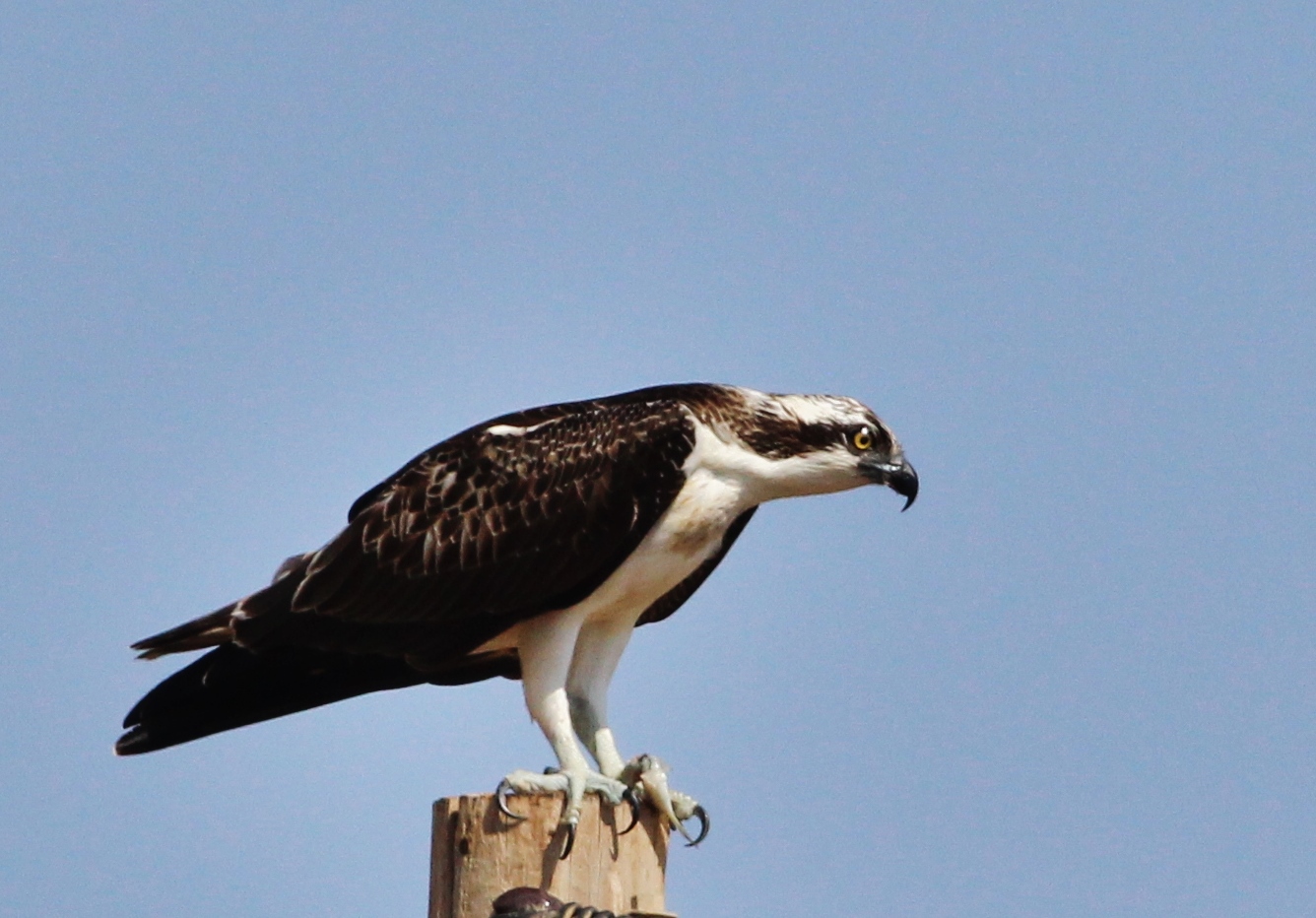
 Πτηνοπαρατηρητές καταγράφουν κάθε φθινόπωρο, κατά τη διάρκεια Σεπτέμβριου και Οκτωβρίου, ένα ασυνήθιστα μεγάλο αριθμό ψαραετών στο φράγμα της Άχνας. Οι ψαραετοί χρησιμοποιούν τον υδροβιότοπο ως στάση κατά τη διάρκεια του αποδημητικού ταξιδιού τους από τη Βόρεια Ευρώπη, όπου αναπαράγονται, προς την Αφρική, όπου διαχειμάζουν. Παρόλα αυτά ακόμα και αυτό το υπέροχο είδος πουλιού δεν πέρασε απαρατήρητο από τους λαθροθήρες και ένας ψαραετός βρέθηκε θανάσιμα πυροβολημένος τον προηγούμενο μήνα.

 Το φράγμα της Άχνας έχει χαρακτηριστεί ως Ζώνη Ειδικής Προστασίας (ΖΕΠ) σύμφωνα με την Οδηγία για τα Πτηνά (2009/147/ΕΚ) και έχει αναγνωριστεί ως Σημαντική Περιοχή για τα Πουλιά (ΣΠΠ) από το BirdLife International. Αποτελεί ένα πολύ σημαντικό υδροβιότοπο στην Κύπρο και συνολικά έχουν καταγραφεί 78 είδη του Παραρτήματος Ι της Οδηγίας για τα πουλιά, τοποθετώντας τον στην κορυφή της λίστας για περιοχές για πτηνοπαρατήρηση. Όσο για τους ψαραετούς, τρέφονται μόνο με ψάρια τα οποία πιάνουν με περίτεχνες τεχνικές ψαρέματος, και σε πολλές χώρες προσελκύουν εκατοντάδες και χιλιάδες οικοτουρίστες για να δουν και να φωτογραφίσουν αυτά τα υπέροχα πουλιά ενώ ψαρεύουν.
 Παρόλο το καθεστώς προστασίας που έχει το φράγμα, υπάρχει σοβαρό πρόβλημα λαθροθηρίας και παράνομης παγίδευσης πτηνών στην περιοχή. Το περιστατικό με τον πυροβολημένο ψαραετό δεν αποτελεί μεμονωμένο συμβάν αλλά αντιθέτως, η λαθροθηρία στο φράγμα της Άχνας είναι εκτεταμένη, με σοβαρές επιπτώσεις στην ορνιθοπανίδα. Επιπλέον η παράνομη παγίδευση πουλιών με μη επιλεκτικές μεθόδους όπως δίχτυα και ξόβεργα ήταν εκτεταμένη αυτό το φθινόπωρο, τόσο στο φράγμα της Άχνας όσο και ευρύτερα, συμβάλλοντας σε μια μαζική σφαγή πουλιών, εκ των οποίων πολλά είναι απειλούμενα. Αυτό ουσιαστικά ισοδυναμεί με οικολογική καταστροφή.
Photos 4/10/2015 by George Konstantinou

 Το Φράγμα της Άχνας βρίσκεται στην επαρχία Αμμοχώστου. Στις παρυφές του
Φράγματος υπάρχει αρκετή βλάστηση όπως καλαμιώνες και διάφορα θαμνοειδή. Η
περιοχή που περιβάλλει το Φράγμα περιλαμβάνει χωράφια με δημητριακά και
οπορωφόρα δέντρα. Είναι ένας σημαντικός υγροβιότοπος και είναι μια από τις
σημαντικότερες περιοχές στο νησί για την αναπαραγωγή της Πελλοκατερίνας και του
Καλαμοκαννά. Από τις 13 Μαρτίου 2008 η περιοχή έχει χαρακτηρισθεί ως
Ζώνη Ειδικής Προστασίας στα πλαίσια του προγράμματος «ΦΥΣΗ 2000
Το Φράγμα της Άχνας βρίσκεται στην επαρχία Αμμοχώστου. Στις παρυφές του
Φράγματος υπάρχει αρκετή βλάστηση όπως καλαμιώνες και διάφορα θαμνοειδή. Η
περιοχή που περιβάλλει το Φράγμα περιλαμβάνει χωράφια με δημητριακά και
οπορωφόρα δέντρα. Είναι ένας σημαντικός υγροβιότοπος και είναι μια από τις
σημαντικότερες περιοχές στο νησί για την αναπαραγωγή της Πελλοκατερίνας και του
Καλαμοκαννά. Από τις 13 Μαρτίου 2008 η περιοχή έχει χαρακτηρισθεί ως
Ζώνη Ειδικής Προστασίας στα πλαίσια του προγράμματος «ΦΥΣΗ 2000 Πτηνοπαρατηρητές καταγράφουν κάθε φθινόπωρο, κατά τη διάρκεια Σεπτέμβριου και Οκτωβρίου, ένα ασυνήθιστα μεγάλο αριθμό ψαραετών στο φράγμα της Άχνας. Οι ψαραετοί χρησιμοποιούν τον υδροβιότοπο ως στάση κατά τη διάρκεια του αποδημητικού ταξιδιού τους από τη Βόρεια Ευρώπη, όπου αναπαράγονται, προς την Αφρική, όπου διαχειμάζουν. Παρόλα αυτά ακόμα και αυτό το υπέροχο είδος πουλιού δεν πέρασε απαρατήρητο από τους λαθροθήρες και ένας ψαραετός βρέθηκε θανάσιμα πυροβολημένος τον προηγούμενο μήνα.
 Το φράγμα της Άχνας έχει χαρακτηριστεί ως Ζώνη Ειδικής Προστασίας (ΖΕΠ) σύμφωνα με την Οδηγία για τα Πτηνά (2009/147/ΕΚ) και έχει αναγνωριστεί ως Σημαντική Περιοχή για τα Πουλιά (ΣΠΠ) από το BirdLife International. Αποτελεί ένα πολύ σημαντικό υδροβιότοπο στην Κύπρο και συνολικά έχουν καταγραφεί 78 είδη του Παραρτήματος Ι της Οδηγίας για τα πουλιά, τοποθετώντας τον στην κορυφή της λίστας για περιοχές για πτηνοπαρατήρηση. Όσο για τους ψαραετούς, τρέφονται μόνο με ψάρια τα οποία πιάνουν με περίτεχνες τεχνικές ψαρέματος, και σε πολλές χώρες προσελκύουν εκατοντάδες και χιλιάδες οικοτουρίστες για να δουν και να φωτογραφίσουν αυτά τα υπέροχα πουλιά ενώ ψαρεύουν.
  Παρόλο το καθεστώς προστασίας που έχει το φράγμα, υπάρχει σοβαρό πρόβλημα λαθροθηρίας και παράνομης παγίδευσης πτηνών στην περιοχή. Το περιστατικό με τον πυροβολημένο ψαραετό δεν αποτελεί μεμονωμένο συμβάν αλλά αντιθέτως, η λαθροθηρία στο φράγμα της Άχνας είναι εκτεταμένη, με σοβαρές επιπτώσεις στην ορνιθοπανίδα. Επιπλέον η παράνομη παγίδευση πουλιών με μη επιλεκτικές μεθόδους όπως δίχτυα και ξόβεργα ήταν εκτεταμένη αυτό το φθινόπωρο, τόσο στο φράγμα της Άχνας όσο και ευρύτερα, συμβάλλοντας σε μια μαζική σφαγή πουλιών, εκ των οποίων πολλά είναι απειλούμενα. Αυτό ουσιαστικά ισοδυναμεί με οικολογική καταστροφή.
Πτηνοπαρατηρητές έχουν απειληθεί επανειλημμένα από λαθροθήρες και παγιδευτές στο φράγμα της Άχνας αυτό το φθινόπωρο, καταδεικνύοντας ότι οι παρανομούντες είναι πλέον προκλητικοί και δεν ανησυχούν για την πιθανότητα ποινικής δίωξης. Ο Πτηνολογικός Σύνδεσμος Κύπρου κάνει έκκληση στις αρμόδιες αρχές, κυρίως την Υπηρεσία Θήρας και Πανίδας και την Αστυνομία Κύπρου, αλλά και την Αστυνομία των Βρετανικών Βάσεων (μια και μικρό κομμάτι ανήκει στις Βάσεις), να αναλάβουν ουσιαστική δράση για την προστασία αυτού του υδροβιότοπου από τη λαθροθηρία και την παράνομη παγίδευση πτηνών, βάζοντας ως προτεραιότητα την υλοποίηση και εφαρμογή ενός διαχειριστικού σχεδίου. Θα πρέπει να εφαρμοστεί μια ‘μηδενική ανοχή’ σε όλα τα επίπεδα από την Κυπριακή κυβέρνηση εάν επιθυμεί την ουσιαστική εξάλειψη της λαθροθηρίας και της παράνομης παγίδευσης πτηνών.
ΠΗΓΗ http://www.birdlifecyprus.org/gr/news-50-__________.html
Photos 4/10/2015 by George Konstantinou
.png)