Translate

Monday, 9 November 2015

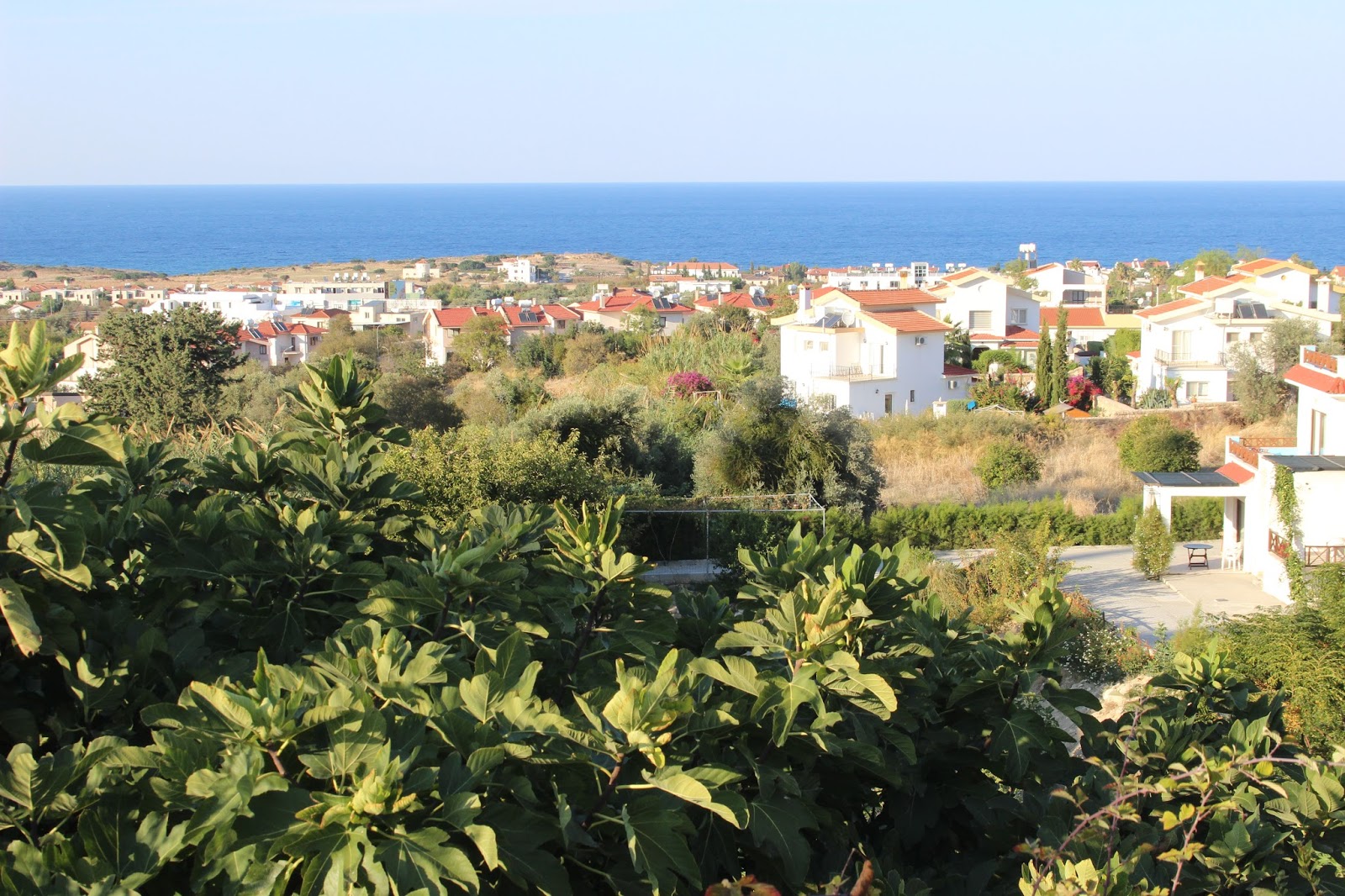
Tο κατεχόμενο χωριό Άγιος Επίκτητος της επαρχίας Κερύνειας - Agios Epiktitos village of Keryneia district, Cyprus.

Αυτή την ανάρτηση μου την αφιερώνω εξαιρετικά στην Φανή μου

See also

Η Νεολιθική θέση Βρυσί στον Άγιο Επίκτητο - Archaeological excavations at the Neolithic site of Ayios Epiktitos-Vrysi in the Kyrenia District

Μερικά απο τα ευρήματα βρίσκωνται στο κάστρο της κερύνειας

Τα βουνά της Τουρκίας απο τον κατεχώμενο Άγιο Επίκτητο - 7/10/2013 - The mountains of Turkey from Agios Epiktitos- Cyprus


Εκκλησία Αγίου Επικτήτου Το χωριό Άγιος Επίκτητος της επαρχίας Κερύνειας - Church, Agios Epiktitos at Agios Epiktitos village of Keryneia district, Cyprus.


Κατεχόμενο χωριό της επαρχίας Κερύνειας, 75 μ. πάνω από τη επιφάνεια της θάλασσας. Βρίσκεται κάπου 5 χμ. ανατολικά της Κερύνειας και μισό περίπου χμ. από τη θάλασσα.  Ο Άγιος Επίκτητος είναι ένα από τα μεγάλα χωριά της παράκτιας πεδιάδας της Κερύνειας, που εκτείνεται μεταξύ μιας γαλήνιας θάλασσας στα βόρεια κι ενός επιβλητικού Πενταδάκτυλου στα νότια.  Γεωλογικά, το χωριό είναι τοποθετημένο πάνω σε αποθέσεις της πλειστοκαίνου περιόδου. Πάνω σ΄αυτά τα πετρώματα αναπτύχθηκαν τα εδάφη τέρρα ρόζα, που είναι πολύ ευδιάκριτα, ιδιαίτερα πάνω στις καυκάλλες.  Πάνω σ΄αυτά τα εδάφη και με μια μέση ετήσια βροχόπτωση κάτω των 500 χιλιοστομέτρων, καλλιεργούνται κυρίως τα σιτηρά, οι χαρουπιές, οι αμυγδαλιές κι οι ελιές. Στις λίγες αρδευόμενες νησίδες καλλιεργούνται τα εσπεριδοειδή και διάφορα άλλα οπωροφόρα και λαχανικά.  Το χωριό εξυπηρετείται από ένα πολύ ικανοποιητικό συγκοινωνιακό δίκτυο. Βρίσκεται, πρώτα απ΄όλα, στον κύριο δρόμο που ενώνει τη δυτική. με την ανατολική Κερύνεια. Ο δρόμος Λευκωσίας Κερύνειας, μέσω Κλεπίνης, περνά από τον Άγιο Επίκτητο. Διάφοροι άλλοι δρόμοι συνδέουν το χωριό με τη γραφική και πολύ όμορφη παραλία στα βόρεια του χωριού.  Η γειτνίαση του χωριού με την Κερύνεια, το Πέλλα-Πάϊς, το φρούριο Βουφαβέντο και άλλες αρχαιότητες, το πολύ ευχάριστο γλυκύ κλίμα, η θάλασσα, ιδιαίτερα η ευχερής συγκοινωνία, μεταξύ Λευκωσίας και Κερύνειας, προμήνυαν για το χωριό ένα τουριστικό μέλλον.  Ο Άγιος Επίκτητος γνώρισε μια σταθερή και ανοδική πληθυσμιακή πορεία. Οι κάτοικοι του, από 398 το 1881 αυξήθηκαν στους 753 το 1911, στους 1109 το 1946 και στους 1.252 ένα χρόνο πριν την εισβολή. Ένα μικρό μέρος του οικονομικά ενεργού πληθυσμού εργοδοτείτε στις πόλεις, ιδιαίτερα στη Λευκωσία.  Ο Άγιος Επίκτητος μνημονεύεται από τον Jeffery, που στις αρχές του αιώνα μας τον βρήκε «σύγχρονο χωριό επιβλητικά τοποθετημένο σε ύψωμα».. Το χωριό πήρε, προφανώς, το όνομα από κάποιο Αλαμάνο άγιο με το ίδιο όνομα. Η εκκλησία του χωριού, χτίσμα (κατά τον Ρ. Γκάννις) του 1856, είναι αφιερωμένη στον άγιο Επίκτητο. Κατά την παράδοση, ο άγιος Επίκτητος έζησε ως ασκητής σε σπήλαιο που βρίσκεται κάτω από την εκκλησία. Η επίσκεψη στο σπήλαιο, όπου αναφέρεται πως τάφηκε ο άγιος Επίκτητος, είναι κατορθωτή από στόμιο. Ο άγιος Επίκτητος γιορτάζει στις 12 Οκτωβρίου.  Ο Α. Σακελλαρίου αναφέρει πως τον περασμένο αιώνα (1890) το χωριό κατοικείτο από χριστιανούς και μωαμεθανούς. Μέχρι και την απογραφή του 1960, κατοικούσαν στο χωριό 9 Τουρκοκύπριοι.

Πηγή http://www.keryniaek.com/index.php?pageid=19&lang=gr

Ο Άγιος Επίκτητος καταλήφθηκε από τουρκικές στρατιωτικές δυνάμεις την νύχτα της 27ης προς 28η Ιουλίου 1974. Είναι ένα από τα πρώτα χωριά της Επαρχίας Κυρηνείας που είχαν καταληφθεί από τον τουρκικό στρατό μετά την απόβαση στις 20 Ιουλίου, κατά τη διάρκεια της επιχείρησης με την επωνυμία "ΑΤΤΙΛΑΣ 1". Ο Άγιος Επίκτητος καταλήφθηκε μετά την 22α Ιουλίου και ώρα 16:00, συμφωνημένη ώρα για ανακωχή σαν συνέπεια του ψηφίσματος Αρ. 353 του Συμβουλίου Ασφαλείας των Ηνωμένων Εθνών της 20ης Ιουλίου του 1974.
Photos 1/11/2015 by George Konstantinou


Red-breasted goose - Branta ruficollis (Pallas, 1769) - Κοκκινόχηνα - Cyprus


The red-breasted goose (Branta ruficollis) is a brightly marked, endangered species of goose in the genus Branta from Eurasia. It is sometimes separated in Rufibrenta but appears close enough to the brant goose (Branta bernicla) to make this unnecessary, despite its distinct appearance.
All the species of the Branta genus are distinguished by their dark sooty colour, relieved by white, and as a distinction from the grey geese of the genus Anser. Among the species from these two genera, the red-breasted goose is the smallest at 53–56 cm (21–22 in) in length. This brightly marked species is unmistakable, but can be surprisingly difficult to find amongst brent geese. At long distances, the red of the breast tends to look dark.
The red-breasted goose breeds in Arctic Siberia, mainly on the Taymyr Peninsula, with smaller populations in the Gydan and Yamal peninsulas. Most winter along the northwestern shores of the Black Sea in Bulgaria, Romania and Ukraine (occasionally moving further southwest to Greece), but some winter in Azerbaijan. It is a rare vagrant to Great Britain and other western European areas, where it is sometimes found with flocks of Brent or barnacle geese. However, since it is common in captive wildfowl collections, escapees outside its usual range are fairly frequent. While incubating, the red-breasted goose stays within a 1.5km range of its nest. Male red-breasted goose tend to guard the nest of their young from a distance while the females generally hide on the nest. The main predator for red-breasted geese eggs and goslings is the Taimyr Gull which have access to nests located on river islands.
They traditionally wintered in Kirov Bay in the Caspian Sea, but in the 1960s the area became unsuitable for the geese due to the agricultural change. Vineyards and cotton replaced the cereal crops used by the wintering geese. However, catastrophic population decline was avoided because they were able to alter their migration strategy and now winters in suitable habitats in Bulgaria and the Dobrogea region of Eastern Romania.
In the late Pleistocene the species' range expanded southward to Bulgaria
Calls of red-breasted goose – ki-kui or ki-yik, shrill and staccato.
The red-breasted goose often nests close to nests of birds of prey, such as snowy owls, peregrine falcons and rough-legged buzzards, which helps to protect this small goose from mammalian predators such as the Arctic fox. The closer the nest to the eyrie, the safer the goose is from predation. Based on the size and how timid the geese are, they rely on the eagles for defense. It's extremely unusual for the eagles to attack, but is still possible. Additionally, the larger the colony the safer it is. This in turn positively influences the survival and reproductive success of the red-breasted goose. Aside from nesting close to birds of prey, red-breasted geese nest on islands on rivers which also protects them from land-based predators. However, there is evidence that shows the red-breasted goose will chose to nest near birds of prey over the choice of a river island. In contrast to the birds of prey that offer the red-breasted goose protection from predators, which choose to place their nests in the open cliff side, this goose will create a cryptic nest hidden much better than the birds of prey nests. A typical red-breasted goose colony is around 4 pairs depending on nest location, food abundance, and bird of prey density.
While wintering, the red-breasted goose feeds on grasses, leaves and seeds. Since owl and buzzard populations fluctuate every few years, depending on lemming abundance, the only consistent protection from predators are river islands and the peregrine falcon
In Autumn of 1997 the population was estimated to be around 88,000 individuals. In the Winter these numbers can shrink to around 70,000. The red-breasted goose is one of the species to which the Agreement on the Conservation of African-Eurasian Migratory Waterbirds (AEWA) applies. The red-breasted goose is legally protected in many states, however hunting is still continued. The AEWA is monitoring the species and providing up to date information on the status of the species, its habitat, migrations, ecology, and conservation needs. It was considered a Vulnerable species by the IUCN. Over 80% of the population roost during the winter at just five sites, with nearby feeding areas threatened by changes in land use. In addition, there has been a strong decline in numbers in the last decades. However, it is possible that this decline may have been exaggerated, as it is possible that some birds may winter at unknown sites. The species' winter distribution has already changed significantly since the 1960's when much of the population occurred along the western coast of the Caspian Sea, in Iran, and in Iraq. Some birds may now be wintering farther west as indicated by recorded counts of 2,000 birds in Hungary as of the winter of 2014, whereas counts previously only accounted for a few hundred. As it is not clear to what extent the known population fluctuates in this species—as in other Arctic geese—and given the worsening outlook for the species as a whole, the red-breasted goose was uplisted from a species of Least Concern to Endangered status in the 2007 IUCN Red List. There have been attempts to conserve the species, such as in 2005-2008, a Life-funded project in Romania was implemented so that the habitat quality of an important salt water lake used by the species was increased. The Life Programme and AEWA hosted a workshop in February 2009 for the species that aimed to draft a new International Species Action Plan and report the results of the Life project.
In 2011, Ornithologists from the Bulgarian Society for the Protection of Birds (BSPB/BirdLife in Bulgaria) and the Trust for Waterfowl and Wetlands (WWT) enacted a project that would lead to a greater understanding of the red-breasted geese's migration patterns. Six red-breasted geese were branded and given miniature GPS transmitters. The red-breasted geese will now be tracked via satellite. Scientist and conservationists alike hope that learning about the geese's migration patterns will lead to proper conservation and more aggressive policies in the geese's territory. Some prior counts have revealed a more positive discovery, noting an increase in the geese's population. This lead to a prediction which states there may be over a fifty percent increase in their population.
In February of 2013, the Bulgarian court had overturned a decision which prohibited an energy wind project from continuing their work in an important winter site for the threatened red-breasted geese. The construction of wind turbines in the area not only threaten the geese by being an obstacle that they fly into. The are they are being constructed in in will also deprive red-breasted geese of a critical feeding ground. As of now, an appeal had been sent to court to convince the court otherwise.
From Wikipedia, the free encyclopedia

5th November 2015, Larnaca Sewage Works pools. A Red-breasted Goose, apparently only the 8th Cyprus record, the first sighting here for over 13 years and the first ever November record. 
Photos  by George Konstantinou


Thursday, 5 November 2015

Άγιος ᾿Ονούφριος, παρά την Ιερά Μονή Μαχαιρά - Saint Onoufrios, despite the Monastery of Machaira. - Cyprus


Το εκκλησάκι του  Άγιου Ονούφριου βρίσκετε 6 χιλιόμετρα από την Μονή Μαχαιρά. Ένα από τα ομορφότερα εκκλησάκια μέσα στην πυκνή δασώδη βλάστηση του δάσους Μαχαιρά.

The church of Saint Onoufrios is located 6 km from the Monastery of Machairas. One of the most beautiful churches in the vegetation of Machairas forest.

See also

Photos Machairas, 1/11/2015 by Michael Hadjiconstantis

Machairas Monastery - Ιερά Μονή Μαχαιρά -Cyprus


Machairas Monastery (Greek: Μαχαιράς) is a historic monastery dedicated to the Virgin Mary located about 40 km from the capital of Cyprus, Nicosia. It lies at an altitude of about 900 m and was founded at the end of the 12th century close to the current village of Lazanias.

History
Legend has it that an unknown hermit smuggled one of the 70 icons said to have been painted by Luke the Apostle secretly from Asia Minor to Cyprus. This icon of the Virgin Mary remained in its hiding place until the arrival of two other hermits from Palestine in 1145: Neophytos and Ignatius who stumbled across the icon in a cave. To reach it, they had to machete their way into the cave through the thick plant growth, so the icon assumed the name 'Machairotissa' in reference to the Greek word for knife μαχαίρι (Makhaira). The whole monastery founded on this site takes its name from this icon.


Following the death of Neophytos, Ignatios travelled with Prokopios (another hermit) to Constantinople in the year 1172 where they succeeded in obtaining financial assistance from the then Byzantine emperor Manuel I Komnenos. The monastery was also granted ownership of the entire mountain on which it is now situated and the status of stavropegion (meaning it remained independent of the area bishopric). The initial monastery was then enlarged by the monk Neilos in the early 13th century. He became the first abbot of the monastery (later he even became bishop of Tamassos). The monastery received further grants from two other Byzantine emperors: Emperor Isaac II Angelos granted cash and land in Nicosia and Emperor Alexios III Angelos donated 24 serfs.
Architecture
The monastery has a rectangular layout and a red-tiled timber roof. The main entrance faces towards the east; a second faces due west. The supporting buildings and monks' cells are built around a centrally located church designed in Byzantine style. The main aisle of the church is lined with an attractive row of columns. It is covered by a dome and the large tiled roof. The interior of the church is decorated with religious icons, chandeliers, stone floors and wall frescoes. As expected, the icon of the Virgin Mary takes a prominent position. Currently the monastery holds 20-30 Orthodox 25 monks who live off of agricultural activities.

Festivals
The monastery is dedicated to the Virgin Mary and officially celebrates the feast of the Entrance of the Virgin Mary to the Temple (Eisodia) on the 21st of November. From Wikipedia, the free encyclopedia


Γενικά


H Ιερά, Βασιλική και Σταυροπηγιακή Μονή της Παναγίας του Μαχαιρά, βρίσκεται στο ανατολικό άκρο της οροσειράς του Τροόδους κοντά στην κορυφή Κιόνια (1423 μ), σε υψόμετρο 870 μέτρων. Είναι κτισμένη σε μιά όμορφη, κατάφυτη από πεύκα βουνοπλαγιά, που καταλήγει στον χείμαρρο Πεδιαίο. Ονομάζεται βασιλική γιατί κτίσθηκε με βασιλική βοήθεια, και σταυροπηγιακή, γιατί κατέστη εκκλησιαστικά αυτοδιοίκητη, πράγμα το όποιο συμβολίζεται με την τοποθέτηση σταυρού στα θεμέλια της. Η Μονή είναι αφιερωμένη στην Παναγία και πανηγυρίζει στα Εισόδια της Θεοτόκου στις 21 Νοεμβρίου.

Η Ιερά Μονή της Παναγίας του Μαχαιρά ή αλλιώς Ιερά Μονή Μαχαιρά ή ακόμα και Μαχαιράς, είναι μια ανδρώα Μονή που ανήκει στην Εκκλησία της Κύπρου. Είναι από τις 5 Σταυροπηγιακές Μονές της Εκκλησίας της Κύπρου και ο Ηγούμενός της είναι ο Επίσκοπος Λήδρας. Στην Μονή υπάρχει και η γνωστή εικόνα της Παναγίας της Μαχαιριώτισσας.
Ιστορία - Ίδρυση


Οι πατέρες Iγνάτιος και ένας άλλος γηραιός μοναχός ο Προκόπιος αποφάσισαν, να ανεγείρουν μοναστήρι, το οποίο θα λειτουργούσε σύμφωνα με το κοινοβιακό πρότυπο που ακολουθούσαν τα μεγάλα μοναστικά κέντρα της εποχής. Για τον λόγο αυτό μετέβησαν στην Κωνσταντινούπολη, όπου συνάντησαν τον αυτοκράτορα Μανουήλ Κομνηνό (1143-1180) και του εξέθεσαν την επιθυμία τους. Ο φιλόχριστος αυτοκράτορας όχι μόνο τους χορήγησε τα απαραίτητα χρήματα, αλλά επίσης δώρισε στο νέο μοναστήρι το όρος στο οποίο θα ανεγειρόταν μαζί με την γύρω περιοχή, έδωσε σ' αυτό το Σταυροπήγιο και το προνόμιο να είναι η Μονή ελεύθερη και αφορολόγητη τόσο από το δημόσιο όσο και από ιδιώτες. Αυτά τα προνόμια αργότερα κατοχυρώθηκαν και από τους αυτοκράτορες Ισαάκιο και Αλέξιο της δυναστείας των Αγγέλων. Ο Άγιος Ιγνάτιος με γραπτή διάταξη άφησε διάδοχο του τον Άγιο Νείλο που είναι και ο πρώτος ενθρονισμένος ηγούμενος του κοινοβίου. Ο Άγιος Νείλος το 1201 έγραψε Τυπική Διατάξη, δηλαδή κανόνες που ρυθμίζουν τον μοναχικό βίο και την ομαλή λειτουργία του κοινοβίου, η οποία σώζεται μέχρι σήμερα και από την οποία αντλούνται όλες οι πληροφορίες για την ίδρυση της Μονής. Εξελέγη επίσκοπος Ταμασού το 1209 αφήνοντας διάδοχο και νέο ηγούμενο τον Ιωακείμ, ενώ πολύ πιθανόν να έγινε και αρχιεπίσκοπος Κύπρου μεταξύ των ετών 1215-1221. Ως επίσκοπος Ταμασού επεκύρωσε την Διάταξη που έγραψε ως ηγούμενος και ίδρυσε γυναικείο μοναστήρι αφιερωμένο στην Θεοτόκο, το οποίο ονόμασε Βλαχερνίτισσα. Η μνήμη των ιδρυτών της Μονής Μαχαιρά Νεοφύτου, Ιγνατίου, Προκοπίου και Νείλου εορτάζεται στις 13 Δεκεμβρίου.

Φραγκοκρατία
Καθώς τα χρόνια κυλούν, η Κύπρος καταλαμβάνεται από εξωτερικούς κατακτητές. Την περίοδο του Βυζαντίου διαδέχεται η περίοδος της Λατινοκρατίας (1192-1571) με πρώτους τους Φράγκους και έπειτα τους Ενετούς. Αυτή η περίοδος ήταν για τον λαό και την Εκκλησία της Κύπρου ιδιαίτερα δύσκολη. Οι Φράγκοι κατακτητές, δεν αρκέστηκαν μόνο στο να υποβιβάσουν τους Κυπρίους στην τάξη των δουλοπάροικων, άλλα προσπάθησαν να τους υποδουλώσουν και πνευματικά. Ίδρυσαν Λατινική Εκκλησία στην Κύπρο και εξαπέλυσαν κατά μέτωπο επίθεση εναντίον της Ορθόδοξης Εκκλησίας. Ιδιαίτερα έπληξαν τα μοναστήρια, των οποίων περιόρισαν τον αριθμό των μοναχών, άλλα και παρενέβαιναν στην εσωτερική τους λειτουργία. Στις προσπάθειες αυτές αντιτάχθηκε σθεναρά ο Κυπριακός κλήρος. Το 1231 η Μονή προσέφερε στην Εκκλησία δύο οσιομάρτυρες, τους αγίους Γεράσιμο και Γεννάδιο οι οποίοι, μαζί με άλλους ένδεκα μονάχους της Μονής της Παναγίας της Καντάρας θανατώθηκαν από τους Λατίνους κατακτητές, υπερασπιζόμενοι την αγία πίστη της Ορθοδόξου Εκκλησίας. Μετά από τριετή φυλάκιση και φρικτές κακουχίες, αφού πρώτα τους έσυραν στην κοίτη του πόταμου Πεδιαίου δεμένους πίσω από άλογα μέχρι που κατεκόπησαν οι σάρκες τους από τις πέτρες, έπειτα έκαψαν ότι απέμεινε από τα σώματα τους. Η μνήμη τους τιμάται στις 19 Μαΐου, ημέρα του μαρτυρίου τους.
Κατά την περίοδο αυτή, και συγκεκριμένα το έτος 1357, ο χρονογράφος Λεόντιος Μαχαιράς αναφέρει ότι η τότε βασίλισσα Αλίς αποπειράθηκε να εισέλθει στον ναό της Μονής. Ο Όσιος Νείλος στην Τυπική του Διάταξη ορίζει το μοναστήρι νά είναι άβατο για τις γυναίκες. Αυτός ο θεσμός διατηρήθηκε για 150 τουλάχιστον χρόνια από την ίδρυσή του. Η βασίλισσα λοιπόν, παραβαίνοντας το άβατο, τιμωρήθηκε παραδειγματικά από την Παναγία χάνοντας αμέσως την φωνή της και μένοντας βωβή για τρία χρόνια.

Τουρκοκρατία
Η περίοδος της Λατινοκρατίας τελειώνει με την κατάληψη της νήσου από τους Τούρκους. Οι Τούρκοι κατείχαν το νησί για τρεις αιώνες (1571-1878) και αυτή η περίοδος ήταν εξ'ίσου δύσκολη με αυτή των Λατίνων κατακτητών, με εξαίρεση το ότι η Εκκλησία της Κύπρου ανέκτησε ξανά την ανεξαρτησία της. Η απάνθρωπη όμως συμπεριφορά και η φοβερή εκμετάλλευση των Τούρκων αξιωματούχων, οδήγησε τον λαό σε πολύ δύσκολη κατάσταση. Η Μονή της Παναγίας του Μαχαιρά συνέχισε την προσφορά της και σε αυτή την περίοδο ως πνευματική και εθνική εστία, και διεδραμάτισε σπουδαίο ρόλο, μαζί με τα υπόλοιπα μοναστήρια, στο να ανασχεθεί το κύμα εξισλαμισμού και να διασωθεί η χριστιανική και η ελληνική ταυτότητα των Κυπρίων υποδούλων. Στο μοναστήρι λειτουργούσε σχολείο, στο οποίο καλλιεργούνταν τα γράμματα, οι τέχνες, η εκκλησιαστική μουσική κ.ά. Στην ανάπτυξη της παιδείας συνέβαλε επίσης με την παραχώρηση γης για την ίδρυση της πρώτης Ελληνικής Σχολής, του Παγκυπρίου Γυμνασίου στην Λευκωσία, την ίδρυση εκπαιδευτηρίων σε όλο το νησί και για την ανέγερση λεπροκομείου.
Στα δύσκολα αυτά και θλιβερά χρόνια της Τουρκοκρατίας, η Μονή Μαχαιρά ανέδειξε ένα από τα μεγάλα αναστήματα της Εκκλησίας της Κύπρου στους τελευταίους αιώνες, τον εθνομάρτυρα Αρχιεπίσκοπο Κυπριανό, γέννημα αλλά συγχρόνως και καύχημα της Μονής. Γεννήθηκε το 1756 στον Στρόβολο και σε νεαρή ηλικία έγινε μοναχός στην Μονή Μαχαιρά, Πάνω ο Εθνομάρτυρας Κυπριανός όπου έμαθε και τα πρώτα του γράμματα. Διακόνησε στην Μονή αρκετά χρόνια και βοήθησε στη διεκπεραίωση υποθέσεων της στο εξωτερικό. Το 1810 χειροτονήθηκε αρχιεπίσκοπος. Μεταξύ των πολλών ευεργεσιών του προς την Μονή ήταν και η ανέγερση του μετοχίου Άγιος Ελευθέριος [6] στην Λευκωσία. Η προσφορά του, γενικά, στην Εκκλησία και το Έθνος ήταν πολύ μεγάλη. Η άρνηση του τόσο να εγκαταλείψει την Κύπρο, όσο και να αλλαξοπιστήσει, προκειμένου να σωθεί, και ο μαρτυρικός του θάνατος από τους Τούρκους στις 9 Ιουλίου 1821, υπήρξαν ζωντανό παράδειγμα προς τους Χριστιανούς, και τους ενεδυνάμωσαν ώστε να μην αρνηθούν την πίστη τους, αλλά να υπομείνουν τα δεινά της σκλαβιάς.

Αγγλοκρατία
Τους Τούρκους κατακτητές διαδέχθηκαν οι Άγγλοι αποικιοκράτες, όταν οι τελευταίοι αγόρασαν άπό τους πρώτους το νησί, κατά το έτος 1871. Λίγα χρόνια μετά, το 1892, η Ιερά Μονή Μαχαιρά για δεύτερη φορά καταστράφηκε τελείως από πυρκαγιά - η πρώτη έλαβε χώρα το 1530. Η ανέγερση εκ βάθρων τελείωσε το 1900. Κατ' αυτή την περίοδο η Μονή συνδέθηκε με τον απελευθερωτικό αγώνα εξ αιτίας του υπαρχηγού της ΕΟΚΑ Γρηγόρη Αυξεντίου, ο οποίος συχνά έβρισκε καταφύγιο στους χώρους της.[7] Όμως, κατόπιν προδοσίας εντοπίσθηκε στο κρησφύγετο του, το όποιο βρίσκεται κοντά στο μοναστήρι. Μετά από πολύωρη μάχη, αφού έχασαν οι Άγγλοι κάθε ελπίδα να τον συλλάβουν ζωντανό, από ελικόπτερο περιέλουσαν το κρησφύγετο με βενζίνη και τον έκαψαν ζωντανό στις 3 Μαρτίου 1957.


Μετά την ανεξαρτησία της νήσου μας, η Μονή πέρασε δύσκολες στιγμές, οικονομικές και πνευματικές. Όταν ανέλαβε την ηγουμενία ο αρχιμανδρίτης Παύλος, μετέπειτα Μητροπολίτης Κυρηνείας, έθεσε τα θεμέλια για την πνευματική ανύψωση της Μονής στην μικράς διαρκείας περίοδο στην οποία ηγουμένευσε. Η διαδοχή στην ηγουμενία του αγιορείτη ιερομόναχου Αθανασίου (1993) σημάδεψε την σύγχρονη ιστορία της Μονής και απετέλεσε σημαντικό σταθμό. Ο νέος ηγούμενος ανακαίνισε εξ ολοκλήρου την Μονή, κτιριακά και πνευματικά, μετατρέποντας την σε κοινόβιο κατά τα παραδοσιακά μοναστηριακά πρότυπα των αρχαίων κοινοβίων, τα όποια διασώθηκαν διά μέσου των αιώνων στο Άγιον Όρος. Ανεγέρθηκαν καινούργιοι ναοί και παρεκκλήσια, δημιουργήθηκαν νέοι χώροι για φιλοξενία, για διακονήματα, το σκευοφυλάκιο κ.ά. Μετά την εκλογή του π. Αθανασίου σε Μητροπολίτη Λεμεσού το 1999, τον διαδέχθηκε ως ηγούμενος ο αρχιμανδρίτης Αρσένιος,[8][9] ο οποίος συνέχισε το έργο του προκατόχου του. Βρήκε όμως απρόσμενο θάνατο μαζί με τον Πατριάρχη Αλεξανδρείας Πέτρο,[10] επίσης πνευματικό τέκνο της Μονής, όταν το ελικόπτερο στο όποιο επέβαιναν συντρίβηκε στην θάλασσα στις 11 Σεπτεμβρίου 2004.

Σήμερα
Σήμερα η αδελφότητα αριθμεί 27 μοναχούς με ηγούμενο τον Θεοφιλέστατο Επίσκοπο Λήδρας κ. Επιφάνιο. Πατέρες της Μονής προ ολίγων ετών εγκαταστάθηκαν στην Ιερά Μονή Τιμίου Προδρόμου στο Μέσα Ποταμό [12][13] και στην Ιερά Μονή Συμβούλου Χριστού πλησίον του χωριού Επισκοπή Λεμεσού αναστηλώνοντας και επαναλειτουργώντας τις ως κοινόβια.

Προσφορά στην Εκκλησία και στην Κύπρο
Από την Ιερά Μονή έχουν περάσει αρκετοί Πατέρες οι οποίοι έχουν ανέλθει στο Επισκοπικό αξίωμα. Συγκεκριμένα, στην σημερινή Ιερά Σύνοδο της Εκκλησίας της Κύπρου, οι Κιτίου Χρυσόστομος, Λεμεσού Αθανάσιος, Νεαπόλεως Πορφύριος, Αμαθούντος Νικόλαος και Λήδρας Επιφάνιος είναι πνευματικά τέκνα της Μονής, όπως ήτο και ο πρώην Κυρηνείας, μακαριστός κυρός Παύλος Χαρακτηριστικά ο Ηγούμενος της Μονής φέρει τον τρίτο βαθμό της Ιερωσύνης, αυτόν του Επισκόπου Λήδρας.

Επίσης, η προσφορά της Μονής είναι σημαντική και στον εθνικό τομέα, με τα γνωστά γεγονότα του αγωνιστή Γρηγόρη Αυξεντίου, ο οποίος έμεινε στην ιστορία και ως "Σταυραετός του Μαχαιρά". Από τη Βικιπαίδεια, την ελεύθερη εγκυκλοπαίδεια

Photos Machairas, 1/11/2015 by Michael Hadjiconstantis


Phaleria provincialis Fauvel 1901 - Cyprus

Family: Tenebrionidae / Subfamily: Diaperinae / Tribe: Phaleriini


Το είδος Phaleria provincialis ανήκει στην οικογένεια Tenebrionidae. Συναντάται κυρίως σε αμμώδεις παραλίες σε ολόκληρη την Κύπρο. Είναι κυρίως νυκτόβιο και συναντάται συνήθως την Άνοιξη και το Καλοκαίρι. 


The species Phaleria provincialis belongs to the family Tenebrionidae. Mostly found on sandy beaches all over Cyprus. It is mostly nocturnal and usually found in spring and summer.

Photos Meneou, 13/8/2015 by Michael Hadjiconstantis


Ants - Aphaenogaster cf. simonellii Emery 1894 - Cyprus

Family: Formicidae
Subfamily: Myrmicinae

Aphaenogaster is a genus of myrmicine ants. About 200 species have been described, including 18 fossil species. They occur worldwide except from South America and Southern Africa.


They are often confused with Pheidole or Pheidologeton. These two have major and minor workers, while Aphaenogaster has only a single worker caste. Pheidole has a 3-segmented club on its antenna, while Aphaenogaster has four segments and a larger body size. Pheidologeton has an 11-segmented antenna, while the antenna in Aphaenogaster is 12-segmented.

In Australia, they often build dense, conspicuous nests. Nest entrances are generally funnel-shaped with diameters of up to 4 cm, which resulted in the common name funnel ants. These nests can be a serious problem for golfers or on pastures and unsealed airstrips, because the fragile surface easily collapses under pressure. Where it occurs, Aphaenogaster bioturbation is an important soil and landscape process.

Aphaenogaster probably gets most of its food from tended aphids on the roots of plants, which explains that they are rarely seen on the surface. The funnel-shaped openings could play a role in trapping arthropods, which are also eaten. From Wikipedia, the free encyclopedia
Photos Machairas, 1/11/2015 by Michael Hadjiconstantis


Monday, 2 November 2015

Cetonia cypriaca (Alexis 1994) - Endemic to Cyprus

Endemic to Cyprus
Cetonia is a genus of beetles in family Scarabaeidae. One of the most familiar species is the rose chafer (C. aurata).

Photos Troodos 12/7/2015 by George Konstantinou


Sunday, 1 November 2015

Planthoppers - Phantia subquadrata (Herrich-Schäffer 1838) - Cyprus

Family: Flatidae
Flatidae are a family of fulgoroid planthoppers. They are cosmopolitan in distribution and are distinguished from others in the superfamily by a combination of characters. Adults of some species have brightly coloured wings and are easily identified but the identification of species often requires dissection and comparison with identification keys.

In the subfamily Flatinae, the body of adults is flattened laterally and the tegmina are tent-like. In the Flatoidinae, the body is not laterally compressed and the tegmina are not as tent-like and sometimes held horizontally. The wing venation is distinctive in that the veins in the anal region are nodose, and the costal area has numerous cross veins. The antennae are small and the first segment is collar-like and small. The second segment is longer and ends in a bulge and a flagellum arises from it. They have two ocelli. Nymphs have a tail of waxy filaments.From Wikipedia, the free encyclopedia

A planthopper is any insect in the infraorder Fulgoromorpha, in the suborder Auchenorrhyncha, a group exceeding 12,500 described species worldwide. The name comes from their remarkable resemblance to leaves and other plants of their environment and that they often "hop" for quick transportation in a similar way to that of grasshoppers. However, planthoppers generally walk very slowly. Distributed worldwide, all members of this group are plant-feeders, though few are considered pests. The infraorder contains only a single superfamily, Fulgoroidea. Fulgoroids are most reliably distinguished from the other Auchenorrhyncha by two features; the bifurcate ("Y"-shaped) anal vein in the forewing, and the thickened, three-segmented antennae, with a generally round or egg-shaped second segment (pedicel) that bears a fine filamentous arista.

Overview

Planthoppers are laterally flattened and hold their broad wings vertically, in a tent-like fashion, concealing the sides of the body and part of the legs. Nymphs of many fulgoroids produce wax from special glands on the abdominal terga and other parts of the body. These are hydrophobic and help conceal the insects. Adult females of many families also produce wax which may be used to protect eggs.

Planthopper (Pterodictya reticularis) with abdominal filaments of ketoester wax

Fulgoroid nymphs also possess a biological gear mechanism at the base of the hind legs, which keeps the legs in synchrony when the insects jump. The gears, not present in the adults, were known for decades[5] before the recent description of their function.

Planthoppers are often vectors for plant diseases, especially phytoplasmas which live in the phloem of plants and can be transmitted by planthoppers when feeding.

A number of extinct members of Fulgoroidea are known from the fossil record, such as the Lutetian-age Emiliana from the Green River Formation (Eocene) in Colorado.

Both planthopper adults and nymphs feed by sucking sap from plants; in so doing, the nymphs produce copious quantities of honeydew, on which sooty mould often grows.[3] One species considered to be a pest is Haplaxius crudus, which is a vector for lethal yellowing, a palm disease that nearly killed off the Jamaican Tall coconut variety.From https://en.wikipedia.org/wiki/Planthopper

Photos Geri, 27/7/2015 by Michael Hadjiconstantis and George Konstantinou